








As workplaces across APAC navigate rapid technological change, shifting employee expectations, and increasing business complexity, the role of HR is evolving far beyond traditional people management.
For Rumana Rahman, Vice President, Human Resources, APAC & MEISA at FedEx, successful HR leadership today requires a deep understanding of business, a commitment to people-centricity, and the ability to lead through uncertainty.
Drawing on more than two decades of experience across diverse markets and cultures, Rahman believes that high performance and employee wellbeing are not competing priorities but mutually reinforcing forces.
In this exclusive conversation, Rumana shares how organisations can build a consistent culture across geographies, why empathy and adaptability are becoming critical leadership traits, how AI is transforming HR, and why the future of the profession lies in moving from managing processes to actively shaping business outcomes.
Read below the edited excerpts:
HR leadership and building people-first organisations
One of the most defining moments in my career was learning to blur the traditional boundaries between HR and business leadership. Early on, I realised that being an effective HR leader meant thinking beyond the HR lens. At different moments, you have to think like a finance leader, a marketing leader, or even a business president.
That shift fundamentally shaped my leadership philosophy. It taught me that the most impactful people solutions are those that are deeply connected to business realities while remaining human-centric. When you can put yourself in the shoes of business leaders and understand the challenges they face, you're able to create solutions that work for both the organisation and its people.
Building one organisational culture across diverse geographies
The first principle is to anchor culture around a clear set of values. At FedEx, our values operate at an enterprise level and remain consistent regardless of geography. Whether you're in Australia, Korea, Saudi Arabia, India, Singapore, or China, the values themselves don't change.
What changes is how those values come to life locally. Culture gives people a shared understanding of who we are, what we stand for, and how we show up for one another, our customers, and our communities. It connects people across regions, time zones, and business priorities while helping us navigate continuous change and transformation.
Take kindness as an example. Kindness means the same thing whether you're in Japan or Johannesburg. It may be expressed differently because of language, customs, or social norms, but the underlying value remains unchanged.
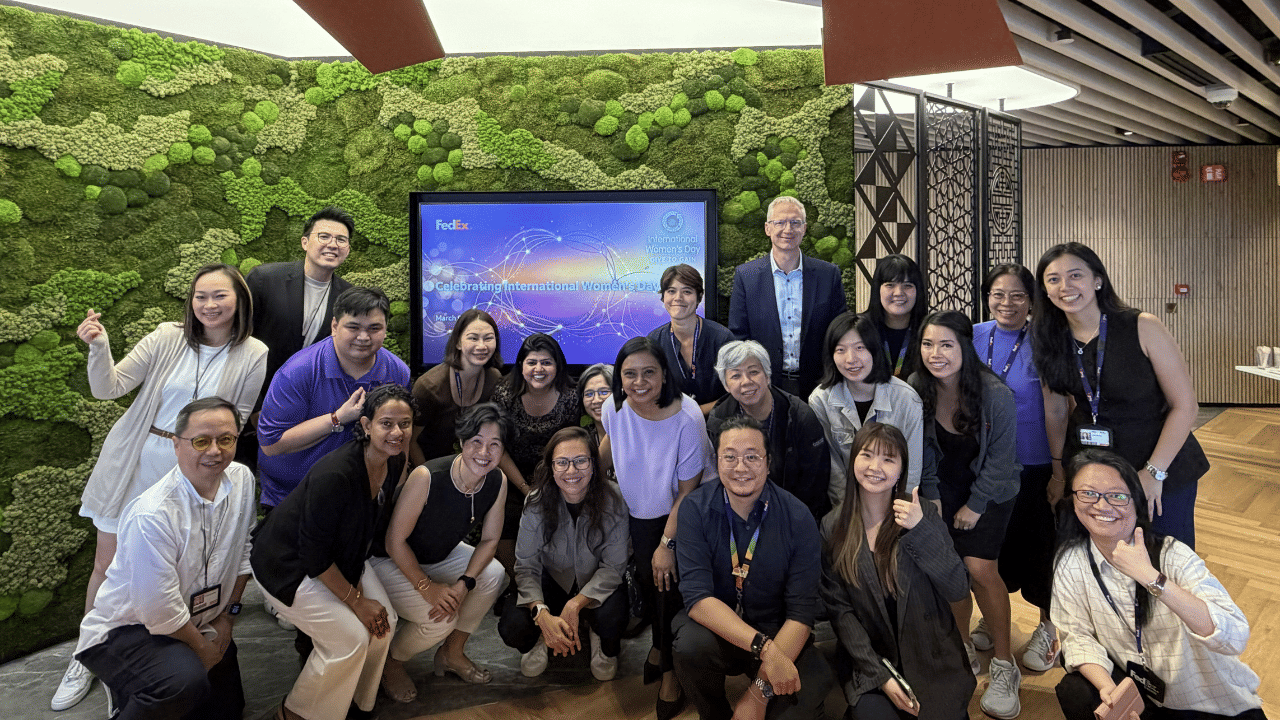
Where organisations need to be thoughtful is in recognizing cultural nuances. People respond differently to feedback, celebrations, communication styles, and leadership expectations. Religion, language, ethnicity, and local traditions all matter.
Our role as leaders is to respect those differences while ensuring the core values remain consistent.
Managing expectations and building strong employee experience
Employee experience has become increasingly important because the relationship between employers and employees has changed dramatically over the past decade. New generations, borderless teams, and multicultural work environments have all reshaped expectations.
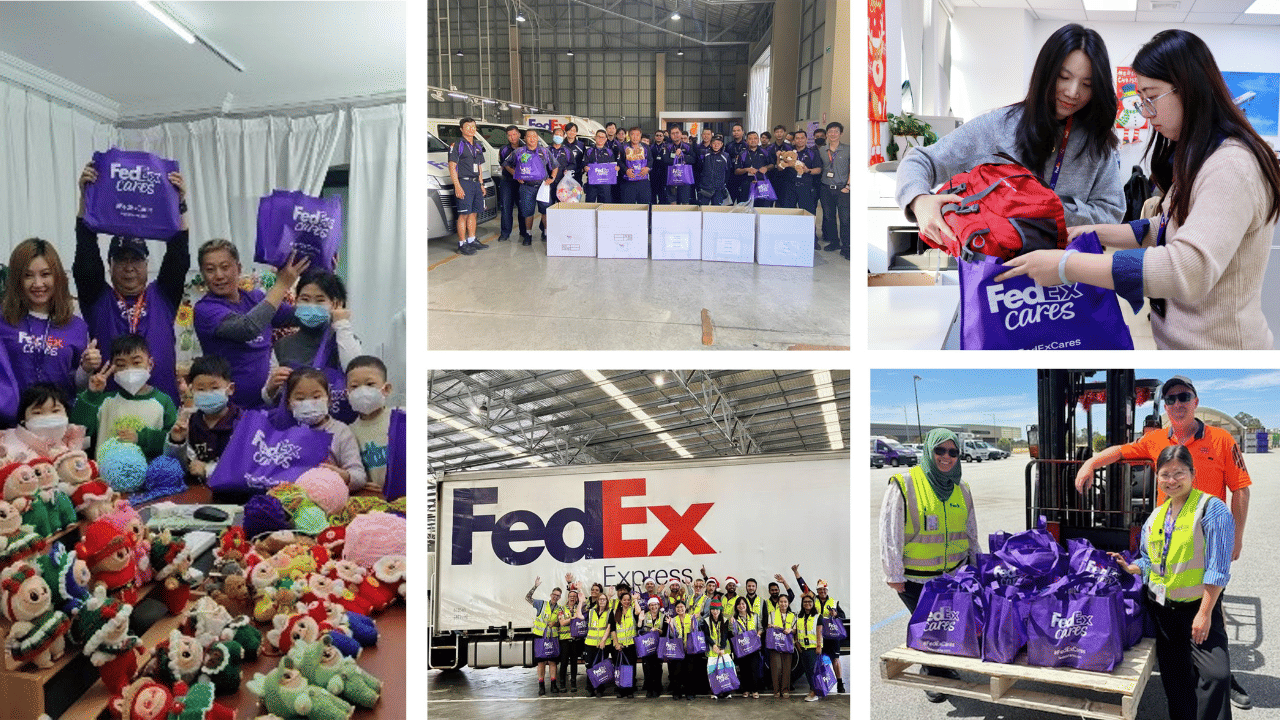
At FedEx, we strive to make every experience outstanding for our customers, employees, and stakeholders alike. That means intentionally designing meaningful moments throughout the employee lifecycle. From onboarding and learning opportunities to recognition and celebrations, we deliberately create experiences that help people feel valued and connected.
However, I think organisations often focus heavily on positive experiences while overlooking the impact of negative ones. In my experience, negative experiences often leave a stronger impression, therefore during periods of change, leaders must spend time listening, understanding concerns, and creating safe spaces for feedback.
Equally important is maintaining zero tolerance for behaviours that undermine trust, whether that's disrespect, humiliation, or integrity issues. Employees notice these experiences even when they're happening around them rather than directly to them, and addressing them reinforces a culture of respect across the organisation.
Driving business performance while juggling people priorities
In my 25 years of experience, I've always believed that performance and well-being go hand in hand.
People naturally want to perform well. We all come to work wanting to contribute, make a difference, and succeed. The organisation's responsibility is to create an environment where people can perform at their best while also feeling supported as human beings.
That means paying attention to the whole individual, not just their output.
Psychological safety, mental wellbeing, physical health, inclusion, and a sense of fulfilment all play a role in sustained performance. In fact, I don't think we talk enough about fulfillment. When people find meaning and purpose in their work, they are far more likely to thrive.
At FedEx, our culture is anchored in our ‘People-Service-Profit’ philosophy. This reflects our belief that when we create an environment where people feel valued and empowered to succeed, they deliver exceptional service, which drives business performance, which then enables further investment in people and the business. The cycle reinforces itself.
Rethinking leadership development and future skills in response to talent trends
The world has undergone more change in the past two decades than it did in the preceding four. As workplaces become increasingly dynamic and complex, organisations need a new lens for evaluating and developing leaders.
Today, it's difficult to define leadership through a fixed set of responsibilities because the environment changes so quickly. As a result, we're placing greater emphasis on future-focused capabilities such as dealing with ambiguity, adaptability, courage, empathy, curiosity, and having a growth mindset.
Our leaders at FedEx play a critical role as culture carriers and performance multipliers, responsible for both business results and the experience they create for their teams, therefore when we think about succession and leadership development, we're looking beyond current performance. Technical knowledge is important, but knowledge alone is no longer enough. Many people can possess the same expertise.
The real differentiator is how leaders respond when circumstances are uncertain. Can they make decisions without having all the answers? Can they lead people through change? Can they stay resilient while creating confidence for their teams? Those are the capabilities that increasingly define leadership potential.
Technology transforming the HR function
We're currently in a very exciting phase of HR transformation at FedEx, where we're redesigning processes and leveraging AI and data on a global scale to improve efficiency, increase speed, and respond more effectively to both employees and the business.
At the same time, we’re committed to equipping every team member with the skills and mindsets needed to thrive. Our AI Education & Literacy programme delivers personalised, role-based training to 300,000 team members globally, alongside advanced learning for technology specialists, with a strong focus on building a shared foundation of AI fluency so employees can use these tools responsibly and confidently.
AI is enabling more effective talent acquisition, stronger analytics, and more informed workforce decisions.
However, I firmly believe that some aspects of HR must remain deeply human. Recruitment is a prime example. While AI enhances sourcing and efficiency, meaningful hiring decisions rely on human judgment, connection, and the ability to assess cultural alignment. At senior levels especially, in-person interactions continue to play an important role, reflecting the significance of getting these decisions right.
Ultimately, technology is most powerful when it amplifies human capability, enabling HR teams to combine innovation with strong human insight and connection.
The future of successful HR
The HR leaders who succeed over the next five years will think beyond their immediate function, country, or region. They will have a deep understanding of business and a global perspective on talent, workforce challenges, and organisational priorities.
As HR processes become more efficient through technology, HR leaders will have more time to focus on creating value. That means helping organisations attract the right talent, strengthen engagement, improve performance, and guide people through continuous transformation.
Change is becoming constant. Organisations need leaders who can provide clarity, structure, objectivity, and empathy while navigating uncertainty.
I often use the football analogy. The days when HR sat in the stands managing processes are over. HR needs to be on the field, playing the game alongside business leaders. Our role is to guide, influence, and enable success.
We may not always be the ones scoring the goals, and that's okay. HR remains a support function. Our job is to help the business and its people succeed. In many ways, we're the ones making the pass that enables someone else to score. That's how I see the role of modern HR leadership, creating the conditions for others to perform at their very best.