

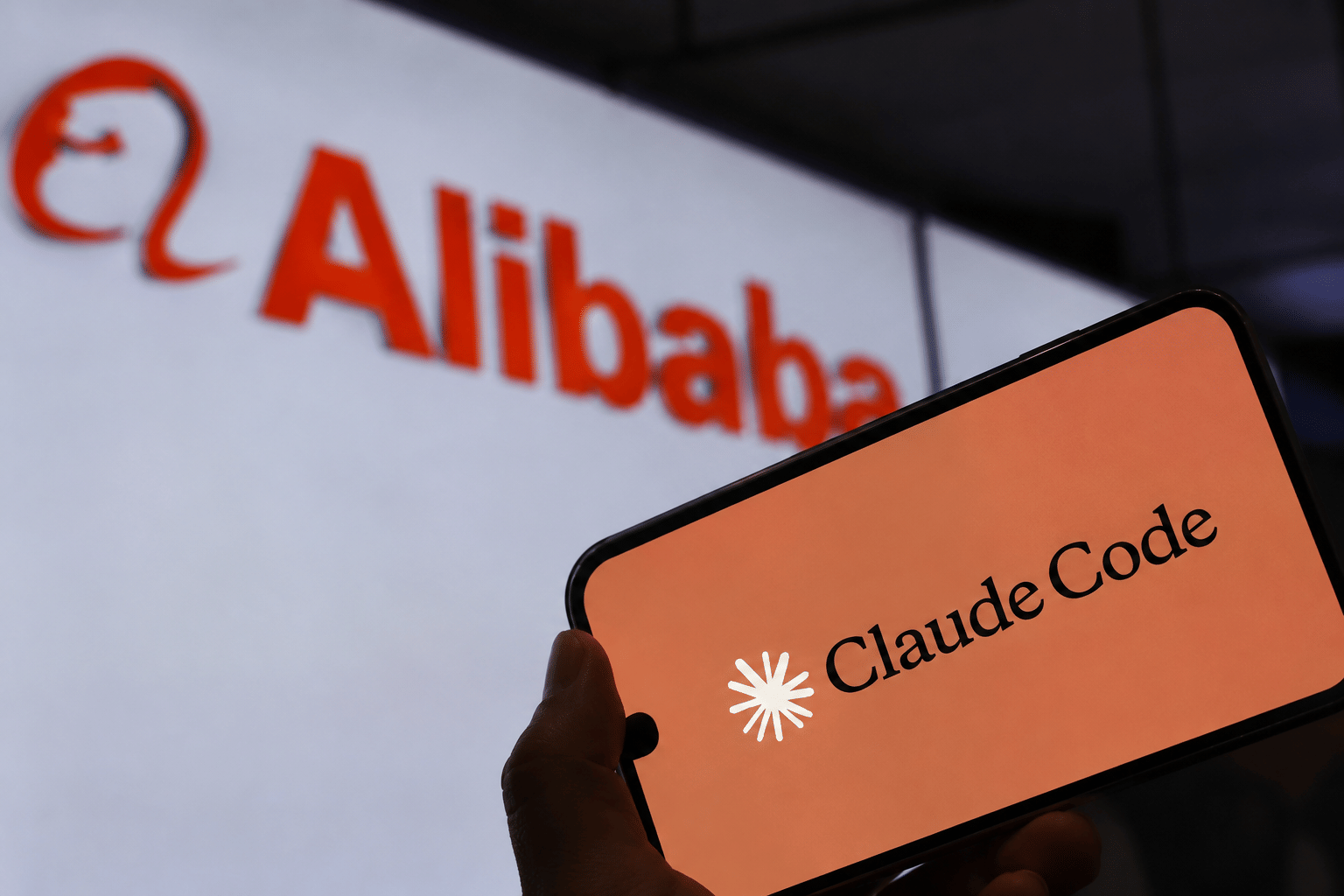
Alibaba has instructed employees to stop using Anthropic's Claude Code for work and instead switch to its in-house coding platform, Qoder, according to Reuters, citing a person familiar with the directive.
The reported move comes amid growing tensions between the Chinese technology company and US AI startup Anthropic. At the centre of the dispute are concerns over user identification features in Claude Code and allegations that Alibaba improperly extracted capabilities from Anthropic's AI models.
Neither Alibaba nor Anthropic responded to Reuters' requests for comment. Alibaba has also not publicly addressed Anthropic's allegations.
What prompted the ban?
According to Reuters, the immediate trigger was increased scrutiny of features within Claude Code, Anthropic's AI-powered coding assistant for software developers.
Developers recently said the tool contained mechanisms capable of inspecting users' environments, including:
- Time zone information.
- Proxy-related data.
- Subtle markers inserted into prompts sent to Anthropic's servers.
The report said these features could help identify users linked to China, despite Anthropic restricting access to users and organisations based there.
An Anthropic employee later wrote on X that the functionality was introduced as an experiment launched in March to prevent account abuse by unauthorised resellers and protect the company's models from distillation.
Model distillation dispute deepens
The workplace directive also follows a broader dispute between the two companies over artificial intelligence development.
Last month, Anthropic accused Alibaba of attempting "model distillation", a technique in which a smaller AI model is trained using outputs generated by a more advanced model.
According to Reuters, Anthropic outlined the allegation in a letter sent to two US senators. The company said such practices could accelerate China's ability to replicate capabilities available in its advanced Mythos Preview model.
Alibaba has not publicly responded to the accusation.
Claude Code remained popular despite restrictions
Although Anthropic restricts access to users and entities in China, Claude Code has gained popularity among software developers in the country.
According to the source cited by Reuters, enforcing those restrictions on individual users has been challenging because developers can deploy servers in the United States and route internet traffic through them.
Companies, however, face greater legal and regulatory obligations. The source said enterprises are more conscious of compliance risks, making corporate restrictions easier to enforce than individual access controls.
AI competition reshapes workplace technology choices
The reported ban reflects the increasingly complex decisions employers face when selecting AI tools for their workforce.
As US AI developers tighten controls to prevent unauthorised access, resale and model distillation, many Chinese cloud and AI companies have accelerated investment in domestic and open source alternatives.
According to Reuters, organisations in China are increasingly adopting platforms including:
- Alibaba's Qwen
- DeepSeek
- Moonshot
- Zhipu
The dispute also highlights the intensifying competition between the United States and China to lead the next phase of artificial intelligence development, with enterprise AI platforms becoming an increasingly important part of that race.
For employees, the reported directive underscores how geopolitical tensions, data governance requirements and AI security concerns are beginning to shape the workplace technologies companies permit their workforce to use.