







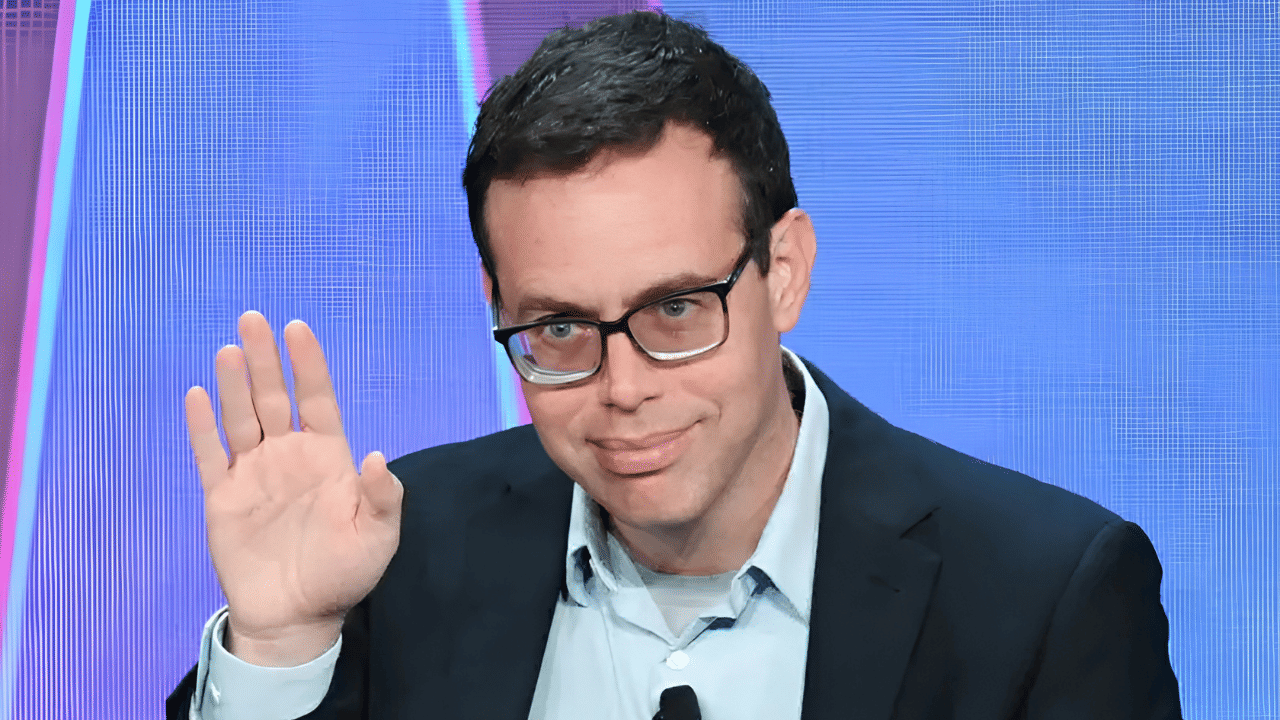
Former OpenAI safety leader David Robinson has raised concerns over what he described as a growing disconnect between the company’s public warnings about advanced AI risks and its continued development and deployment of increasingly capable models.
Robinson, who previously led work on OpenAI’s Safety Systems team, discussed his departure from the company in an interview with Ezra Klein. He said he experienced a “fundamental cognitive dissonance” as OpenAI continued to build AI systems while warning about the risks they could pose.
He said the company was “still training and deploying these dangerous models that we’re warning about”, adding that the pace of development contributed to his decision to leave and pursue AI safety work outside OpenAI.
Robinson also described the internal environment at the AI company as “frenetic”, saying employees were “running on fumes” as different teams worked at a rapid pace to develop and deploy new systems.
His comments come amid growing debate within the AI industry over whether safety measures are keeping pace with advances in model capabilities. Robinson had previously supported calls to slow AI development to allow safety research and safeguards to catch up.
OpenAI CEO Sam Altman has also publicly called for stronger international coordination on AI safety. Last month, Altman told the UN Security Council that countries should work towards shared safety standards while continuing to develop the technology.
Anthropic CEO Dario Amodei has similarly called for stronger safeguards and argued that AI development should slow enough for safety testing to keep pace with increasingly powerful systems.
The debate has also coincided with a series of senior departures from OpenAI.
Former COO Brad Lightcap announced in August that he was leaving the company after spending much of the previous decade working on OpenAI’s mission. In July, former President of Applications Fidji Simo stepped back from her full-time role and moved into an advisory position following an extended medical leave.
In March, Caitlin Kalinowski resigned over concerns about the potential use of AI for warrantless surveillance and autonomous weapons. She said those issues warranted greater deliberation and described her decision as one of “principle, not people”.
Robinson’s comments add to the broader discussion over how AI companies can balance rapid commercial and technological development with the risks associated with increasingly autonomous and capable AI systems.