
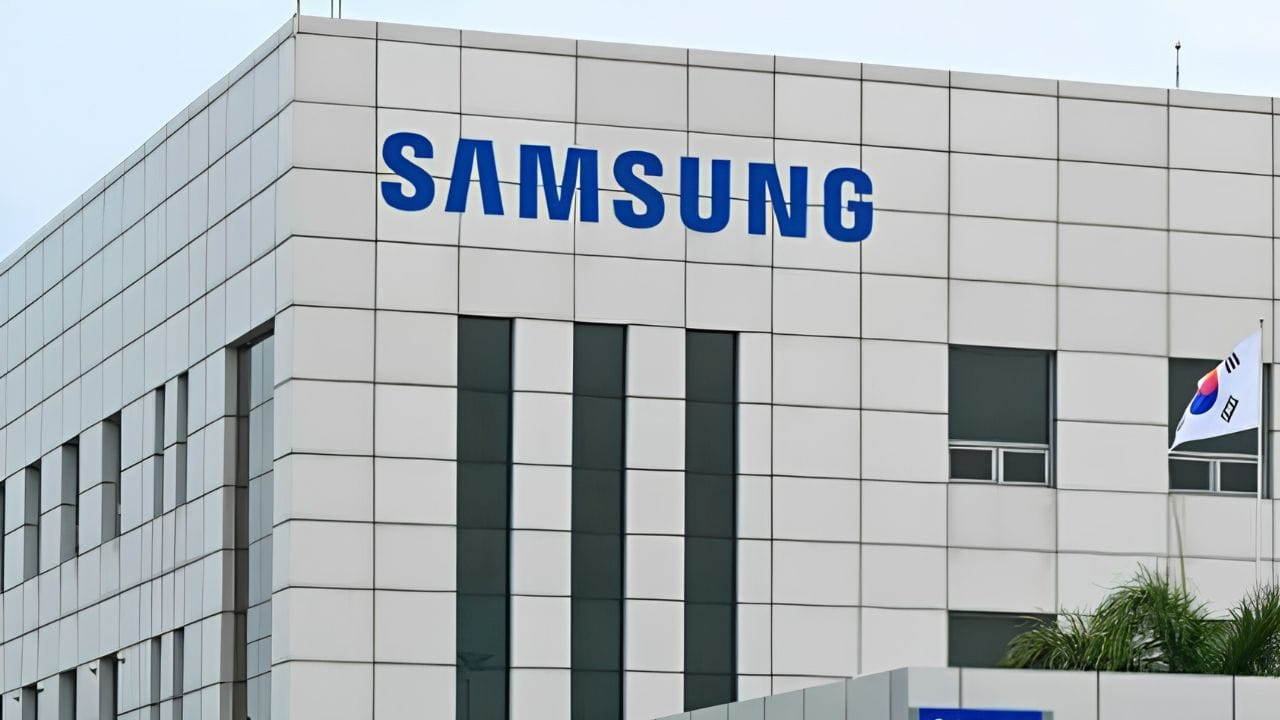
Unionised employees at Samsung Electronics have approved a controversial bonus agreement that could see some memory chip workers receive payouts of nearly ₹3.5 crore this year, according to reporting by Reuters.
The agreement was backed by 74% of the 62,616 workers who participated in the vote, unions representing employees at the South Korean technology giant said on Wednesday.
The deal prevents a planned 18-day strike involving roughly 48,000 workers after a bitter five-month labour dispute over compensation and profit-sharing.
The agreement also arrives at a crucial time for Samsung, which remains one of South Korea’s most important companies and accounts for roughly a quarter of the country’s exports.
AI boom fuels record payouts
The new compensation structure heavily benefits employees in Samsung’s memory chip business, where profits have surged due to soaring global demand for artificial intelligence infrastructure and advanced semiconductors.
According to Reuters, some workers in the division could receive bonuses worth around $416,000 this year.
Key elements of the agreement include:
- A regular cash bonus equal to 50% of annual salary for all chip workers
- Allocation of 10.5% of the chip division’s operating profit towards additional stock-based bonuses
- One-third of bonus shares becoming immediately tradable
- Remaining shares unlocking after one year and two years respectively
The payouts remain tied to profit milestones set between 2026 and 2035.
Under the agreement, Samsung must generate:
- More than 200 trillion won in annual operating profit from 2026 to 2028
- At least 100 trillion won annually between 2029 and 2035
Bonus gaps trigger internal tensions
While memory chip employees stand to gain the most, workers across Samsung’s other businesses will receive far smaller payouts.
Employees in consumer electronics divisions are expected to receive comparatively limited bonuses despite working within the same broader organisation.
The disparity has created unease internally, highlighting how the global AI boom is unevenly reshaping compensation structures inside large technology companies.
“The atmosphere is pretty gloomy and many of us lost motivation,” a Samsung chip foundry worker in Pyeongtaek told Reuters anonymously.
“It really is an ironic situation — being depressed despite receiving more money,” the worker added.
Industry observers say the growing divide reflects how AI-linked semiconductor businesses are increasingly becoming the primary profit engines for major technology firms.
Investor optimism lifts Samsung shares
Samsung shares rose 6% following the approval of the agreement, supported both by relief over the avoided strike and broader investor enthusiasm around AI-driven semiconductor growth.
The company is expected to post record annual operating profit this year.
Reuters reported that Samsung’s annual profit could reach 300 trillion won, equivalent to around $200 billion, surpassing its previous record of 58.9 trillion won set in 2018.
The pay dispute had intensified pressure on Samsung to remain competitive with domestic rival SK Hynix, whose employees have already benefited from booming AI-related chip demand.
Labour dynamics shift in AI-era chip industry
The agreement signals how artificial intelligence is not only transforming technology markets but also reshaping labour expectations inside semiconductor companies.
As AI infrastructure spending accelerates globally, memory chip businesses have become central to profitability across the semiconductor industry, increasing pressure on companies to reward specialised technical talent more aggressively.
At the same time, the widening compensation gap across divisions may create longer-term cultural and workforce management challenges for large conglomerates like Samsung.
The outcome of the deal is likely to be closely watched across South Korea’s technology sector, where AI-linked profits are increasingly influencing wage negotiations, labour relations and talent retention strategies.