







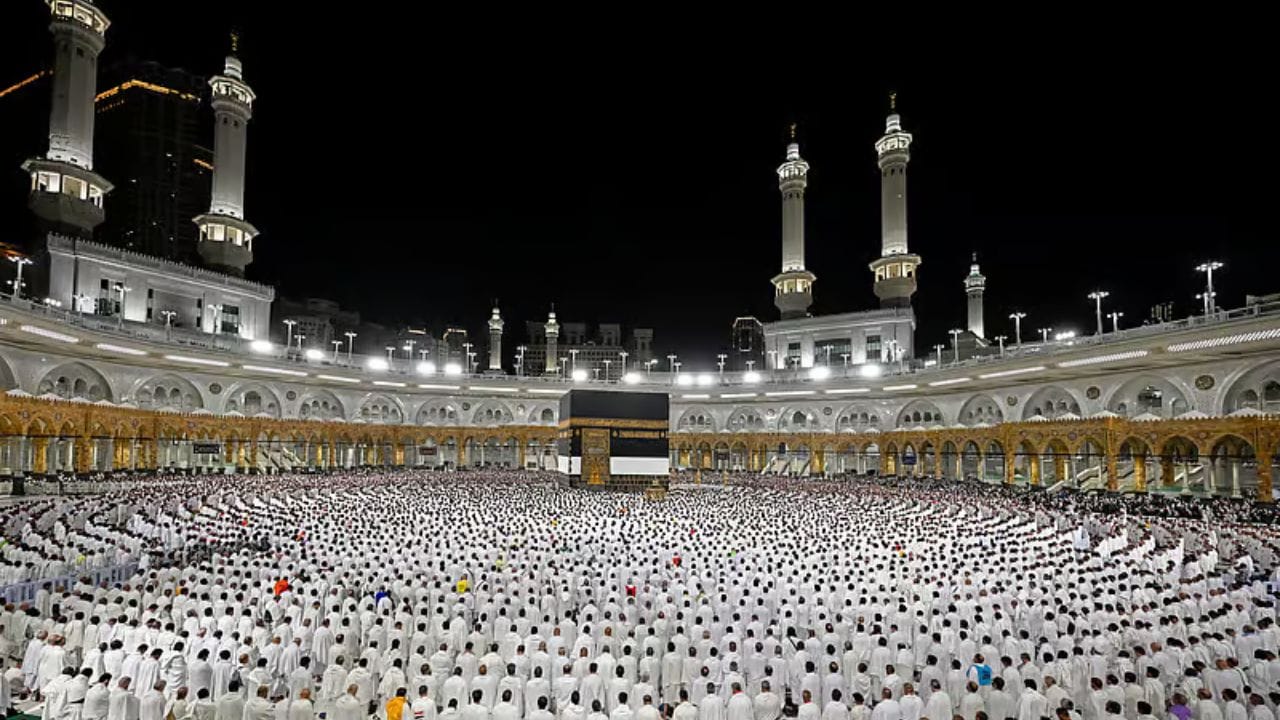
Countries across the Gulf Cooperation Council have confirmed Eid Al Adha 2026 holiday schedules, with workers in several nations set for breaks of up to five days and extended weekends stretching even longer.
The announcements come as Muslims worldwide prepare to observe Eid Al Adha, one of Islam’s holiest festivals, marking sacrifice and devotion, as reported by various media reports.
The sighting of the Dhul Hijjah crescent moon has officially fixed the dates for Arafah Day and Eid celebrations across much of the Gulf.
According to reports, the UAE, Saudi Arabia, Oman, Kuwait, Bahrain and Qatar have aligned their calendars around the same Eid period, giving businesses and employees long-awaited clarity after weeks of tentative planning.
UAE break
In the UAE, the Federal Authority for Government Human Resources confirmed that public sector employees will be off from Monday, May 25 to Friday, May 29. Work resumes on Monday, June 1.
Combined with the regular Saturday-Sunday weekend, many government employees are expected to enjoy a nine-day break.
Sharjah government workers could receive an even longer holiday due to the emirate’s four-day workweek system, effectively turning the Eid period into a 10-day break for some employees.
Private sector workers in the UAE will receive four paid days off from Tuesday, May 26 to Friday, May 29. Employees following a Saturday-Sunday weekend are likely to get a six-day break in total.
The Ministry of Human Resources and Emiratisation’s announcement has also ended speculation over whether private sector employees would receive a longer holiday.
Saudi schedule
Saudi Arabia confirmed a four-day Eid holiday beginning on Arafah Day on May 26.
Private sector employees are expected to receive a six-day break running until Sunday, May 31, following the Kingdom’s customary Friday-Saturday weekend.
Oman announced matching holiday dates for public and private sector employees.
The state news agency said, “The Eid Al Adha holiday 1447 AH for employees in the public and private sectors will begin on Tuesday, 26 May 2026. Official duty shall resume on Sunday, 31 May 2026.”
Bahrain and Kuwait
In Bahrain, ministries, public institutions and government agencies will remain closed from Tuesday through Friday.
Since Friday is already part of the official weekend, authorities said compensation leave would be granted on Sunday, May 31, creating a six-day break for many workers.
Kuwait’s Cabinet announced holidays for ministries, government departments and public institutions from Tuesday until Sunday, May 31.
Authorities added that organisations with special operational requirements would determine their own schedules separately.
HR pressure
The long Eid break is now emerging as a major operational test for multinational employers across the Gulf.
Payroll processing, staffing schedules, travel demand and government service closures are all expected to create pressure points for HR teams.
Companies are also being advised to prepare for disruptions linked to one of the GCC’s busiest outbound travel periods, with destinations such as Istanbul, Kuala Lumpur and Bangkok witnessing strong demand.
Businesses operating across multiple UAE emirates face added complications because Sharjah’s holiday calendar differs from the rest of the country.
Government office closures are also expected to affect visa processing, compliance filings and labour system updates in both the UAE and Saudi Arabia.
The temporary shutdown of Saudi Arabia’s Ministry of Human Resources and Social Development and Qiwa platform during Eid could delay work permit renewals, contract uploads and Nitaqat adjustments.
For many employers, the countdown to Eid has now shifted from holiday planning to operational survival.
Employee rights
The holiday period also places fresh focus on employee rights and compensation rules across the Gulf.
In the UAE, workers are entitled to full pay during officially declared public holidays under Federal Decree-Law No. 33 of 2021.
Employees required to work during Eid must receive either a compensatory day off or their regular wage plus an additional 50 per cent of their basic salary.
A recent regulatory update under Resolution No. 27 of 2024 clarified that Eid Al Adha and Eid Al Fitr remain exempt from rules denying compensation when holidays overlap with weekends.
In Qatar, employees are entitled to three working days of fully paid leave for Eid Al Adha under Article 78 of the Qatar Labour Law.
Workers required to work during the holiday must receive either overtime compensation or a compensatory day off.
Saudi Arabia’s labour rules similarly guarantee four days of fully paid Eid leave. Employees working during the holiday are entitled to overtime compensation equal to their regular wage plus an additional 50 per cent of their basic salary.