







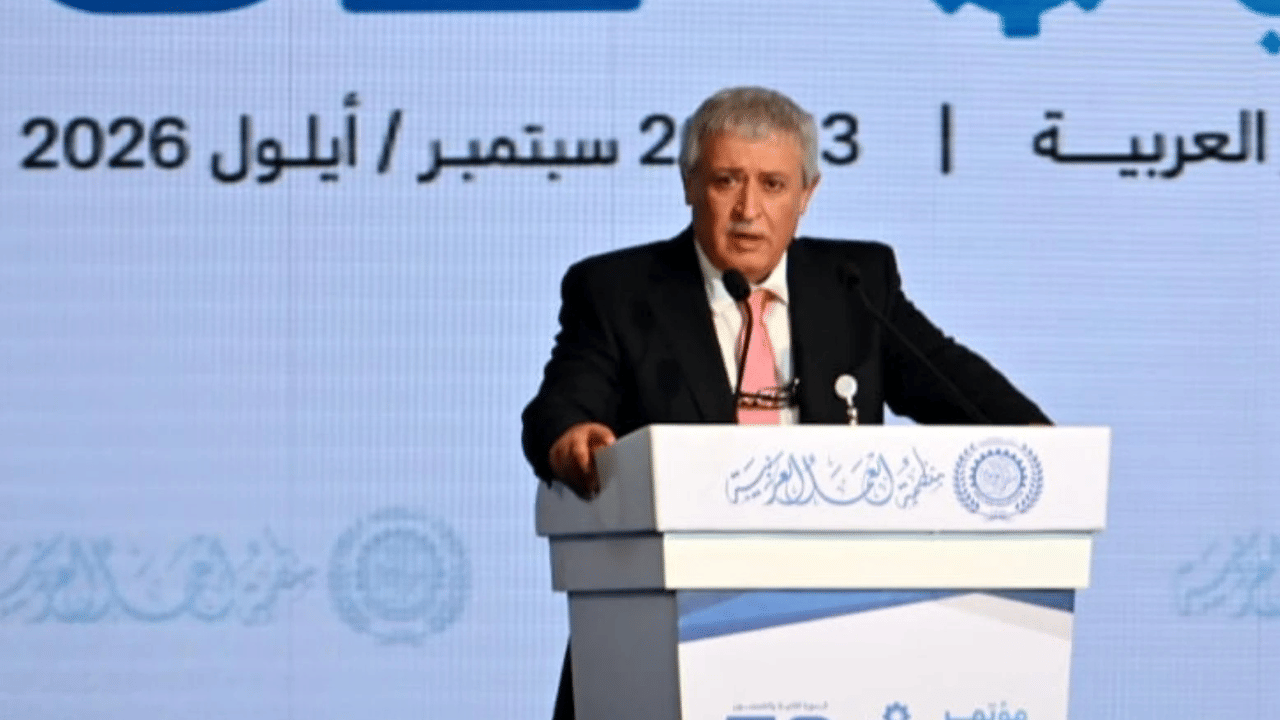
Jordan’s Labour Minister Nidal Qatamin has called for stronger cooperation among Arab countries as economic volatility, technological advances and digitalisation reshape regional labour markets.
Speaking to the Jordan News Agency (Petra), Qatamin highlighted the strategic importance of the 52nd Arab Labour Conference, hosted by Jordan, saying the event reflects the country’s commitment to strengthening joint Arab policies on labour and employment.
He said continued economic shifts require greater cooperation and knowledge sharing across the region to address emerging workforce challenges while making use of new technological opportunities.
The conference brought together discussions on sustainable economic growth, social justice, climate change and workplace safety, as well as the expansion of technology startups.
Qatamin said he expected the conference to produce “actionable recommendations” agreed upon by governments, employers and workers. He stressed that maintaining economic competitiveness alongside social fairness would require coordinated regional action.
Skills alignment key to closing youth employment gaps
A key priority identified by Qatamin was strengthening the connection between education, skills development and actual labour-market demand.
He said better alignment between training systems and employers’ needs will be essential to narrowing employment gaps among young people, particularly as technology continues to alter the skills required across industries.
He also pointed to technology adoption and the development of a green economy as potential drivers of longer-term job creation and greater economic resilience.
The focus on skills comes as employers and policymakers across the region face the dual challenge of responding to technological disruption while ensuring workers can participate in emerging areas of economic growth.
Qatamin said regional cooperation could help countries share knowledge and approaches to these transitions rather than addressing workforce challenges in isolation.
From recommendations to implementation
For Qatamin, however, agreeing on priorities is only the first step. He said moving from identifying labour-market challenges to implementing practical measures is “vital”.
The recommendations emerging from the conference, he argued, must translate into concrete policies that benefit workers and employers while strengthening Arab economies.
The emphasis on implementation places skills development, technology adoption, green economic activity and social protection at the centre of the region’s evolving labour agenda.
As Arab labour markets continue to respond to economic uncertainty, digital transformation and climate-related pressures, closer coordination between governments, businesses and workers could become increasingly important to building more resilient and inclusive employment systems.