







Saudi Arabia has introduced a major curriculum overhaul for the new academic year, updating 22 subjects and adding 50 artificial intelligence learning units as the Kingdom accelerates efforts to align its education system with the demands of a technology-driven economy.
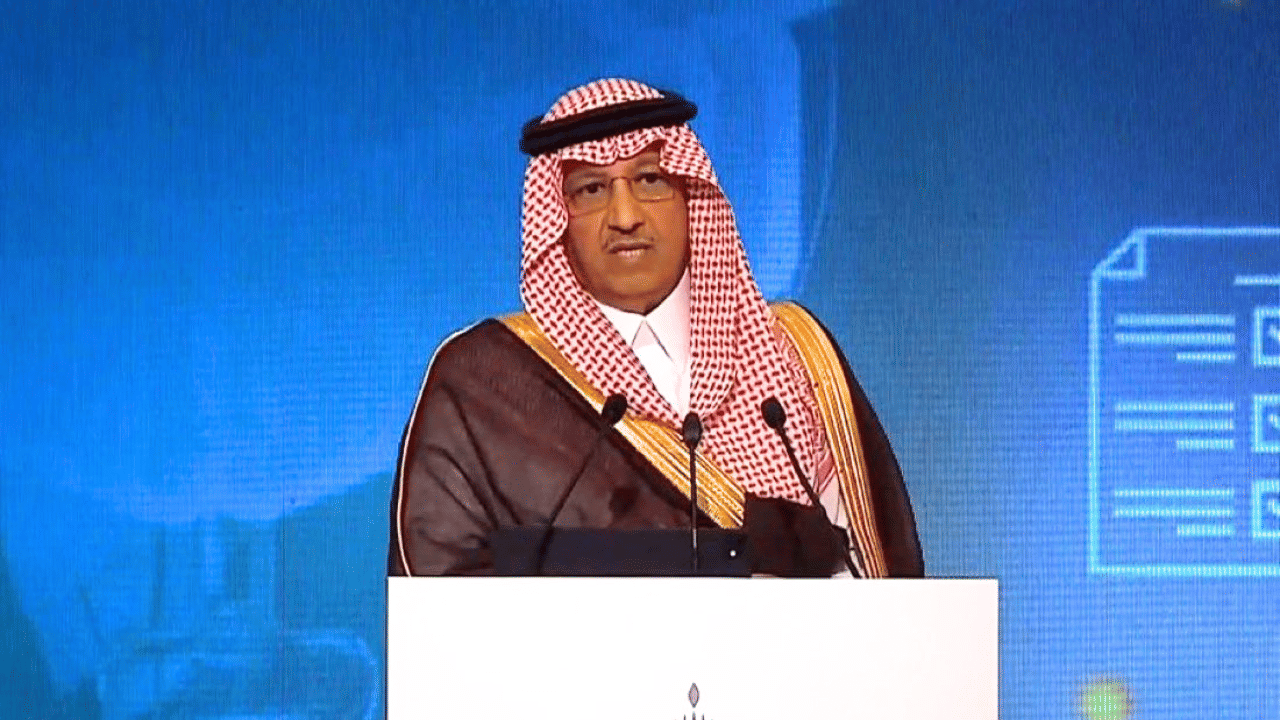
Speaking at a government press conference in Riyadh ahead of the start of the new academic year, Education Minister Yousef Al-Benyan said the changes form part of a broader strategy to modernise education and strengthen the country's long-term human capital agenda under Saudi Vision 2030.
Al-Benyan also officially launched the Education Portal, a unified digital platform designed to consolidate educational services into a single system for students, teachers and administrators.
The minister said the recently approved General Education Law would help improve the quality of the educational environment while providing the regulatory framework needed to achieve the Kingdom's educational objectives. He thanked the Saudi leadership for approving the law through a royal order.
According to Al-Benyan, the legislation preserves religious values and national identity while reinforcing the importance of the Arabic language and Saudi history. The law also aims to empower students, strengthen teacher development and define the roles of private and non-profit institutions in the education sector.
The ministry has also intensified its focus on gifted education and support for students with disabilities. More than 495,000 students have participated in qualifying competitions, while over 45,000 students have enrolled in specialised schools designed to nurture gifted learners.
To strengthen talent identification, 4,000 teachers have received training to recognise gifted students. The ministry has also completed evaluations of all schools across the Kingdom over the past three years to improve educational outcomes.
Artificial intelligence is expected to play an increasingly important role in supporting educators. Al-Benyan said the ministry is collaborating with the Saudi Data and Artificial Intelligence Authority and the Human Resources Development Fund to develop tools that can enhance teachers' experiences and reduce administrative workloads.
The minister noted that 70% of Saudi students studying abroad through scholarship programmes are enrolled at the world's top 50 universities. Meanwhile, enrolment in early childhood education has exceeded 35%, with the government targeting a 90% participation rate by 2030.
The ministry has established advisory councils comprising school principals and teachers to identify the needs of schools and students. It is also working with public and private sector partners to increase enrolment in workplace kindergartens.
Al-Benyan revealed that 36 million textbooks had been distributed to schools before the summer break, while the Madrasati platform now offers more than 500 digital books. All schools in the Kingdom have also been evaluated by the Education and Training Evaluation Commission, which oversees educational quality standards.
Teacher development remains a central priority, according to the minister, who highlighted a comprehensive professional training programme that he described as one of the largest initiatives in the Saudi education system. Beginning this academic year, teachers will also be allowed to leave school after the end of the official school day based on each school's approved schedule.
The minister also outlined plans to strengthen the identities of Saudi universities by aligning their academic focus with labour market demands. Under the proposed framework, King Faisal University will specialise in food security and sustainability, Jeddah University will focus on transportation and supply chains, Umm Al-Qura University will expand its expertise in Hajj, Umrah and crowd management, and Imam Muhammad Ibn Saud Islamic University will concentrate on Sharia studies and the Arabic language.
Al-Benyan said the ministry remains committed to enhancing the competitiveness of Saudi universities and improving graduate employability through the "University Leadership" initiative. He also announced that 200 school buildings and land plots have been allocated to the private sector for educational investment, creating future capacity for more than 160,000 students.