







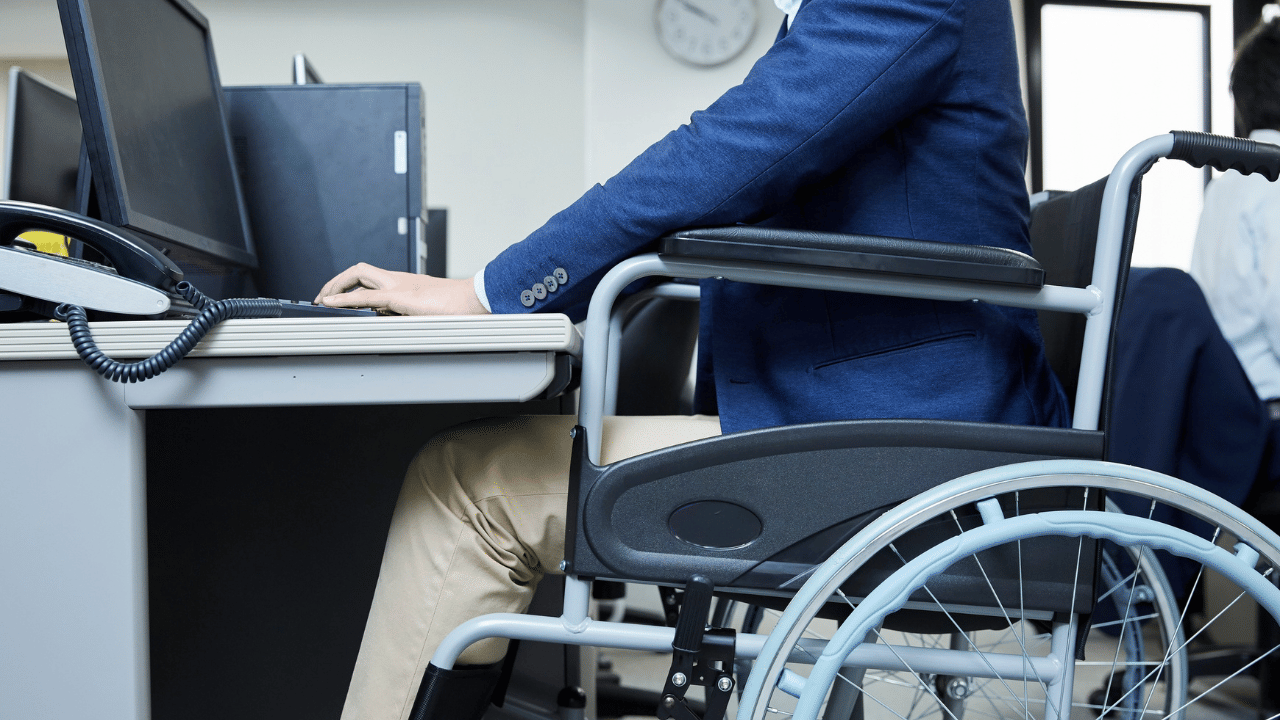
The number of Omanis with disabilities in employment increased by 10% year on year to 18,437 in 2025, with private-sector jobs accounting for 47% of employed individuals, according to data released by Oman’s National Centre for Statistics and Information (NCSI).
The economic participation rate among Omanis with disabilities aged 15 and older stood at 38% during the year, highlighting their participation in the country’s workforce.
Agriculture, animal husbandry, poultry farming and fishing accounted for the largest share of employment among this group, representing 18% of the total.
Oman records 75,432 people with disabilities
The NCSI data showed that 75,432 Omanis had disabilities in 2025, equivalent to 2.5% of the country’s population. The figure represented an increase of around 9% compared with 2024.
Men accounted for 44,916 people, or 60% of the total, while women numbered 30,516, representing 40%. Nearly 59% of Omanis with disabilities were below the age of 40.
North Batinah recorded the highest number of people with disabilities, at 16,199.
The data showed that 56% of disabilities, equivalent to 42,210 cases, resulted from non-congenital causes. A further 15% were associated with circumstances during birth, 20% with diseases and 7% with accidents. Physical disabilities accounted for approximately 28% of all recorded cases.
Education and rehabilitation remain key areas
Educational attainment data showed that 42% of Omanis with disabilities aged ten and older had an educational level below the General Education Diploma in 2025.
During the 2025/2026 academic year, 483 students with disabilities aged six and older were enrolled in schools. The group comprised 276 boys and 207 girls.
The number of people enrolled in government and private rehabilitation centres at the ministry’s expense reached 9,226 in 2025. Oman had 128 such centres during the year.
Disability benefits and support services
Oman’s social protection measures included disability benefits received by 51,252 citizens in 2025, with men accounting for 61% of beneficiaries. The total amount disbursed under the benefit reached approximately RO74mn.
A further 10,074 Omanis with disabilities benefited from assistive devices and support services. Permits for designated parking spaces accounted for around 22% of the services and assistance recorded under this category.
The data also recorded an increase in property and vehicle ownership among Omanis with disabilities.
The number of individuals owning at least one plot of land rose 9.3% year on year, while ownership of at least one housing unit increased by 10%.
Meanwhile, 18,499 Omanis with disabilities owned at least one vehicle in 2025, marking a 9.5% increase compared with the previous year.
The latest figures provide an overview of employment, education, social protection and asset ownership among Omanis with disabilities, alongside the increase in their participation in the workforce.