






Diversity Equity Inclusion
Beyond the Gender Pay Gap: Why Disability Is the Missing Lens in DEI





Global and regional research, including evidence from the United Nations, shows that disabled women face disproportionate disadvantage in hiring, progression, and pay.
On International Women’s Day, it is appropriate to reflect not only on gender representation and the gender pay gap, but also on the groups of women who remain absent from these conversations. While participation rates of women have increased globally in education, sports, and professional fields, a critical dimension of equity continues to be overlooked: the intersection of gender and disability.
Across the world, progress has been made. In many regions, including parts of Europe, North America, and the Middle East, women now graduate from university at higher rates than men. Yet representation within corporate and political leadership remains disproportionately low.
Women’s participation in professional and managerial roles has increased, but top leadership positions such as chief executive or board member roles remain predominantly male.
According to the World Economic Forum’s 2025 Global Gender Gap Report, women worldwide still earn about 23 per cent less than men, and no country has yet achieved full gender parity. Advanced economies tend to have smaller pay gaps of around 12 per cent, although significant variations exist. The mechanisms that help narrow the gender pay gap are political, legal, and organisational. Examples include subsidised childcare, equality legislation, flexible working arrangements, and caregiving support for all parents. These mechanisms work best when societies move beyond traditional gender roles that limit women’s opportunities for advancement.
This shift is particularly relevant within the Gulf region, where national agendas such as Saudi Arabia’s Vision 2030 and Dubai’s long term development strategies aim to increase gender equality in the workplace. Both place strong emphasis on representation in leadership as part of broader goals for inclusive growth and economic empowerment. The region’s goals align with global efforts, but progress varies. Some Gulf countries have made faster policy level advances than many advanced economies, yet workplace outcomes such as women’s labour force participation and leadership representation still lag behind global averages.
However, gender is not the only factor contributing to pay gaps, and not all women are affected equally. Intersectionality, a framework introduced by Kimberlé Crenshaw in 1989, highlights how different aspects of identity such as ethnicity, social class, and disability combine to shape experiences of privilege and disadvantage.
Women may face multiple and compounding forms of labour market exclusion that create outcomes which cannot be understood by looking at each factor separately.
This intersectional lens is highly relevant as countries in the Middle East advance their inclusion agendas. The UAE’s 2030 Agenda for Sustainable Development acknowledges this by stating that economic growth must be inclusive and must enable persons with disabilities to fully access the job market. The United Nations defines disability as a physical, mental, intellectual, or sensory impairment that restricts full participation in society. With the World Health Organisation estimating that one in six people are affected, disability is neither marginal nor rare. It is also the only minority group that anyone may join at any point in life.
Understanding this is essential for inclusive growth. Women with disabilities experience significantly lower employment rates, are more likely to be in precarious work, progress more slowly in their careers, and are underrepresented in leadership roles.
If women with disabilities are not recruited and advanced in proportion to their presence in the wider population, any claim to achieving gender equity is incomplete.
Global and regional research, including evidence from the United Nations, shows that disabled women face disproportionate disadvantage in hiring, progression, and pay. Even organisations with strong gender targets may unintentionally benefit non-disabled women, especially when recruitment processes follow conventional ideas of linear career paths or rely on digital platforms that are not accessible.
Many of these disadvantages stem from assumptions about the ideal worker. Women with visible disabilities in particular are often viewed, consciously or unconsciously, as less mobile, less capable, or less suited to traditional professional norms. This leads to harsher judgement and reduced opportunity.
Gender policy and disability policy have traditionally been treated as separate areas. Yet genuine equity requires recognising that progress for some women does not necessarily mean progress for all. This International Women’s Day, the question is no longer only about how far women have come, but which women remain excluded from that progress and why.
HR leaders have a crucial role to play. To make genuine change, organisations need to integrate disability inclusion into their existing gender equity strategies. This includes auditing recruitment processes for accessibility, collecting intersectional workforce data, establishing clear policies for reasonable adjustments, and ensuring that leadership development programmes include women with disabilities. Embedding disability within gender initiatives is essential for any organisation that wishes to make credible progress towards equity and to build workplaces where all women can thrive.
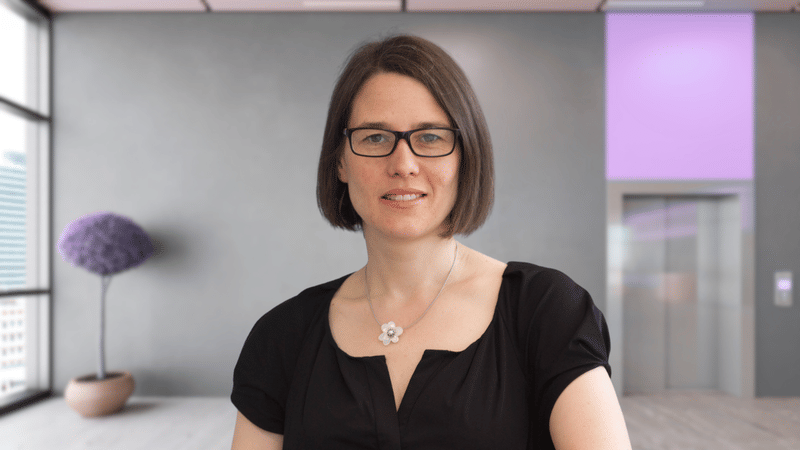
About the author: Dr Kerstin Maier Barcroft is an Associate Professor in Human Resource Management at Edinburgh Business School, Heriot-Watt University. Her work focuses on workplace dynamics, diversity, and how organisations can better manage and support people in an evolving world of work.
Loading...