






Appointments
BP names new chief executive as Auchincloss exits after less than two years






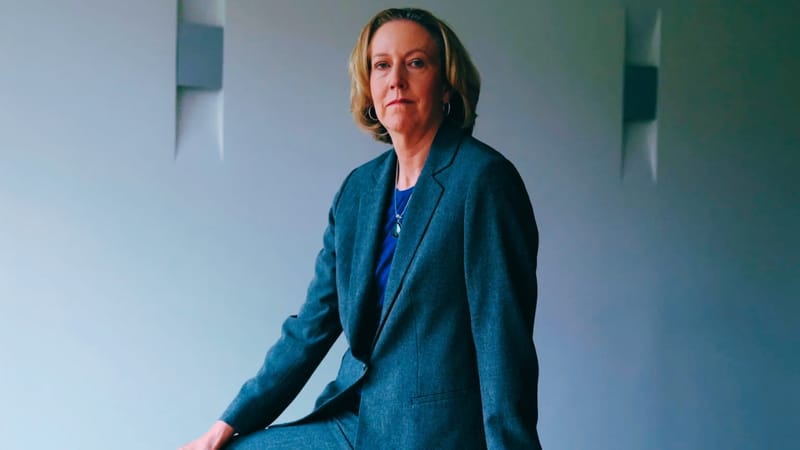
Meg O’Neill is set to become BP’s next CEO, marking a leadership reset after a turbulent period at the oil major.
BP has appointed a new chief executive, naming Meg O’Neill to lead the energy group as its current boss Murray Auchincloss steps down less than two years into the role, underscoring continued upheaval at the top of the company.
The London-based oil major said on Wednesday that Auchincloss would relinquish the chief executive position after replacing Bernard Looney in September 2024. BP executive vice president Carol Howle will serve as interim chief executive until O’Neill takes over on 1 April, according to company statements reported by Reuters.
O’Neill will become the first woman to run a major global oil company. She has led Australia’s Woodside Energy since 2021, overseeing a period of expansion that included the takeover of BHP Petroleum International in 2022, a deal that helped make Woodside the largest energy company listed on the Australian Securities Exchange.
“I look forward to helping BP do our part to meet the world’s energy needs,” O’Neill said in comments cited by Reuters. BP said she would focus on restoring market leadership while advancing safety, innovation and sustainability.
Auchincloss said he had informed BP’s chairman earlier this year that he was willing to step aside if a suitable successor were identified. “I am confident that BP is now well positioned for significant growth,” he said, adding that he would remain in an advisory role until December 2026.
The leadership change follows a turbulent period for BP. Looney was dismissed without notice in 2023 after the board concluded it had been “knowingly misled” over his failure to disclose past relationships with colleagues. He forfeited up to £32.4m in salary and benefits after admitting he had not been fully transparent.
O’Neill’s appointment comes as BP recalibrates its strategy. The company has recently cut back planned investment in renewable energy and placed renewed emphasis on oil and gas production, following pressure from investors frustrated by weaker profits and share price performance compared with rivals.
In February, BP said it would adjust its approach after shareholder concerns that its energy transition strategy had diluted returns. Peers such as Shell and Norway’s Equinor have also slowed green investment, while a renewed political push in the United States to expand fossil fuel output has reinforced the shift.
Before joining Woodside, O’Neill spent more than two decades at ExxonMobil in technical, operational and leadership roles, experience BP highlighted as it seeks steadier execution after successive leadership changes.
As O’Neill prepares to take charge, investors will be watching closely to see whether the new chief executive can stabilise BP’s leadership, rebuild confidence in its strategy and navigate the competing demands of energy security, shareholder returns and the long-term transition facing the oil industry.
Topics
Author
Loading...