






Business
Luxury chain Saks files bankruptcy after debt-fuelled expansion






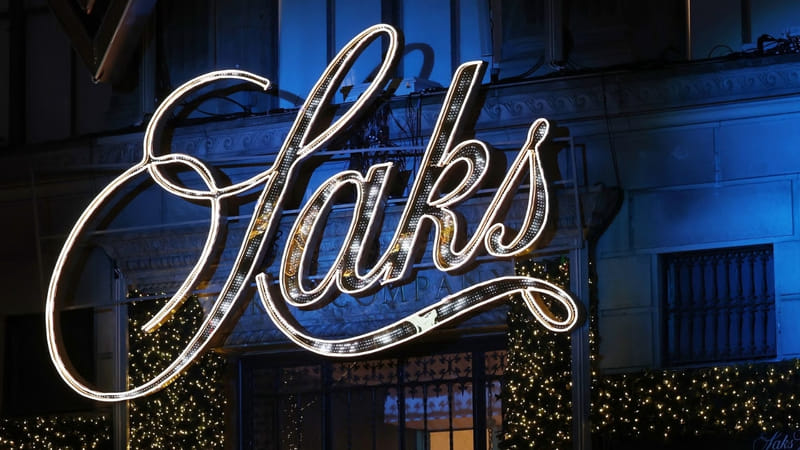
Saks Global files for Chapter 11, lining up $1.75bn financing as it weighs store closures and asset sales.
Saks Global, the U.S. luxury department store group, has filed for Chapter 11 bankruptcy protection, weighed down by debt barely a year after an ambitious takeover aimed at building a high-end retail powerhouse, Reuters reported.
The filing brings together the owner of Saks Fifth Avenue, Bergdorf Goodman and Neiman Marcus under court protection, highlighting the pressure facing traditional luxury department stores amid weak demand, high borrowing costs and intensifying competition from brand-owned boutiques.
According to court documents cited by Reuters, Saks Global has secured a $1.75 billion financing package to keep operations running during the bankruptcy process. The funding, subject to court approval, is intended to stabilise the business and prevent a rapid sell-off of assets at distressed prices.
Still, analysts say survival will depend on tough decisions. Shutting underperforming locations is likely to be a key lever. Brandon Isner, head of U.S. retail research at real estate advisory firm Newmark, told Reuters that pruning excess retail space would be critical to restoring viability.
Saks Global operates around 125 stores across roughly 13 million square feet in the United States and owns or controls ground leases at 39 of them, the court filing showed. Its portfolio includes prime luxury locations, from Fifth Avenue in Manhattan to Beverly Hills, as well as high-end malls such as Bal Harbour Shops in Florida.
The flagship Saks Fifth Avenue store in New York is not part of the bankruptcy, Reuters reported, as it is leased from a separate entity that holds a $1.25 billion mortgage and is not among the debtors.
The filings also point to potential asset sales. Saks has asked the court for permission to shut about four “dark stores” that are no longer operating. Selling such properties typically comes at a steep discount—often 40% to 50% below their value if trading—according to a real estate adviser familiar with the portfolio, Reuters said.
Beyond real estate, restoring supplier confidence will be crucial. Bankruptcy experts cited by Reuters said the retailer is expected to prioritise clearing vendor payments after more than 100 brands paused deliveries over the past year, leaving shelves thinly stocked.
Industry observers note that Saks’ challenges are compounded by overlap within its own empire. Saks and Neiman Marcus often co-anchor the same luxury malls, creating internal competition and forcing hard choices as the group reviews its footprint.
At the same time, luxury brands are increasingly steering customers towards directly operated stores that offer tighter control over pricing and customer experience. George Gottl, chief creative officer at FutureBrand, told Reuters that multi-brand department stores struggle to compete when they fail to deliver distinctive value beyond what flagship boutiques provide.
The restructuring at Saks comes as the wider U.S. department store sector contracts. Macy’s, owner of Bloomingdale’s, has announced plans to close about 150 underperforming stores, including some in major urban locations, as it seeks to cut costs and focus on higher-return assets.
For Saks Global, the bankruptcy process offers breathing room—but investors and landlords will be watching closely to see whether the storied luxury names can adapt quickly enough to justify their place in a reshaped retail landscape.
Topics
Author
Loading...