






Economy Policy
UAE labour market surges as workforce doubles and companies grow 45% between 2021 and 2025






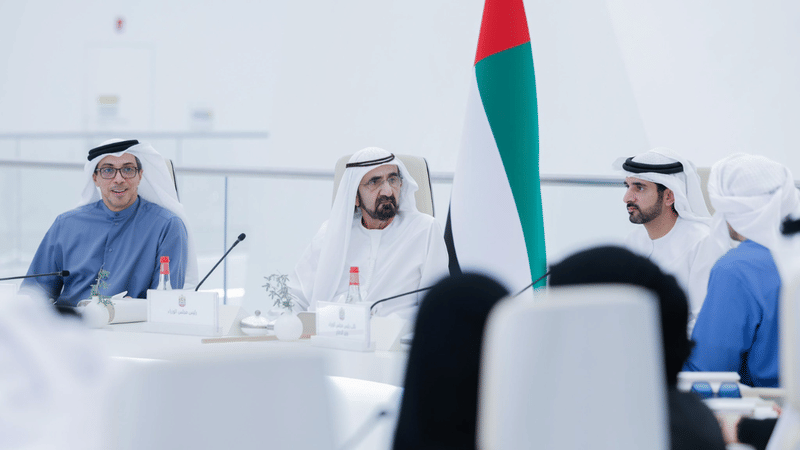
The Cabinet noted that the UAE ranked first globally in employment growth, availability of specialised talent, workforce expansion, and low labour disputes.
The UAE’s labour market has recorded significant expansion over the past four years, with the number of companies increasing by more than 45% and the workforce more than doubling between 2021 and 2025, according to figures reviewed during a UAE Cabinet meeting.
The review, chaired by Mohammed bin Rashid Al Maktoum, highlighted strong growth across employment, workforce participation, social protection, healthcare, community development, and the space sector.
Workforce and employment growth
According to Cabinet figures, workforce numbers grew by 101.76% between 2021 and 2025, while female workforce participation rose by 101.92%. The number of skilled workers also increased by nearly 50% during the same period.
The Cabinet noted that the UAE ranked first globally in employment growth, availability of specialised talent, workforce expansion, and low labour disputes.
Labour protection systems also saw near-universal compliance. Around 99% of workers are now enrolled in the Wage Protection System, while 99% are registered under workers’ protection insurance and heat stress protection policies. Coverage under unemployment insurance has reached 83% of private sector employees.
Officials said the country has implemented one of the region’s most comprehensive social protection systems covering wages, insurance, end-of-service benefits, and unemployment support.
National strategies approved
During the meeting, the Cabinet approved several national strategies across health, community development, and space.
The National Healthy Nutrition Strategy 2031 aims to improve public health through better food systems, regulation of unhealthy food marketing, and the promotion of healthier alternatives. Measures include banning partially hydrogenated oils, introducing a national nutrition monitoring system, and developing a digital nutrition guide.
In healthcare, the Cabinet approved the National Integrative Medicine Strategy, which seeks to combine modern, traditional, and complementary medicine through governance reforms, insurance coverage expansion, updated clinical guidelines, and increased focus on research and innovation.
Community empowerment and social development
The Cabinet also reviewed progress in community empowerment programmes, including a Dh100 million fund to support public benefit organisations.
More than 800 public benefit organisations are now active across the UAE with over 160,000 members. Access to community programmes increased by 45%, while inflation allowance coverage rose by 34%.
Authorities said more than 3,800 beneficiaries had transitioned from social support into employment, and over 1,000 national projects were incubated. Emirati families also generated more than Dh100 million through home-based business initiatives.
Expanding space economy ambitions
The Cabinet also approved the National Space Strategy 2031, aimed at strengthening the UAE’s position as a global space economy.
The UAE space sector is currently valued at more than Dh44 billion and includes over 170 entities. The strategy aims to double sector revenues, expand export markets, increase the number of national companies and startups, and position the UAE among the world’s top 10 space economies by 2031.
Speaking after the Cabinet meeting, Sheikh Mohammed said national institutions, defence forces, and the private sector were working efficiently and responsibly to maintain the country’s growth and achievements.
The Cabinet review reflects the UAE’s broader strategy to expand its economy, strengthen workforce participation, improve public health systems, and invest in future sectors such as space and advanced technology.
Topics
Author
Loading...