






Leadership
HP appoints interim CEO after Enrique Lores leaves to become PayPal CEO





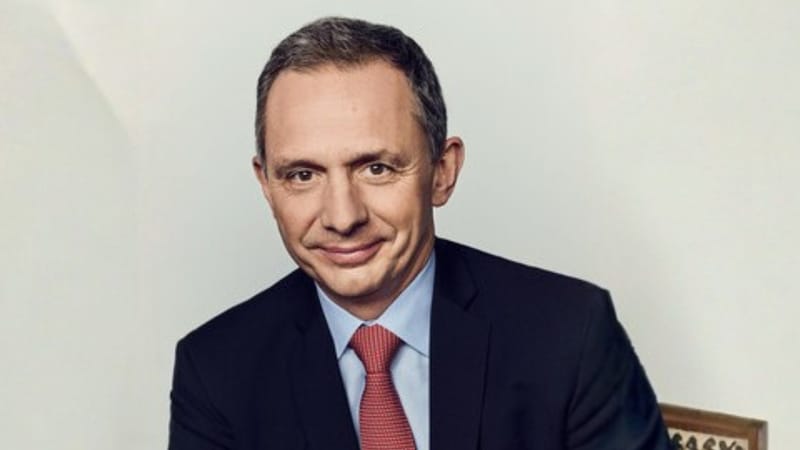
HP names Bruce Broussard interim CEO after Enrique Lores steps down to lead PayPal amid execution pressure at both companies.
HP Inc has named board member Bruce Broussard as interim chief executive, following the departure of long-serving CEO Enrique Lores, who will take over as president and chief executive of PayPal Holdings in a leadership shake-up spanning two major US technology companies.
The moves, announced on Tuesday, come as both companies face mounting pressure to sharpen execution in highly competitive markets. PayPal confirmed that Lores will assume the CEO role on 1 March, while David W. Dorman has been appointed independent board chair, separating the chair and chief executive roles at the payments group.
At HP, Broussard’s appointment is effective immediately. Lores stepped down after more than six years at the helm, informing employees before confirming the move publicly, according to reporting by Reuters and the Wall Street Journal. HP said its board has launched a formal search for a permanent successor and engaged an external executive search firm.
The company sought to reassure investors by reaffirming its outlook for the first quarter and full fiscal year, saying it still expects non-GAAP diluted earnings per share of between 73 and 81 cents. The guidance excludes restructuring and acquisition-related charges.
HP board chair Chip Bergh said Broussard would provide continuity at a time when the company is executing its “Future of Work” strategy. Broussard, a former healthcare executive and ex-CEO of Humana, joined HP’s board in 2021 and brings experience in large-scale operational and financial management.
Lores departs HP after overseeing one of the most consequential periods in the company’s recent history. Since becoming CEO in 2019, he led a strategic reset aimed at reducing dependence on traditional PC and printing revenues, expanding into services, subscriptions, and AI-enabled workplace solutions. He also drove major acquisitions, including Poly, Teradici and HyperX, while cutting costs and simplifying HP’s operating structure.
His tenure coincided with significant external shocks, including the pandemic, global supply chain disruptions, tariffs, and memory shortages that squeezed margins across the PC industry. Analysts note that the timing of his exit, amid renewed volatility in the hardware market, has raised questions about leadership continuity at HP.
The transition at HP closely tracks a leadership change at PayPal, where the board moved to replace CEO Alex Chriss after concluding that the pace of change and execution under his leadership had fallen short of expectations. Chriss, who joined in 2023, will step down after two and a half years in the role.
PayPal said Jamie Miller, its chief financial and operating officer, will serve as interim CEO until Lores formally takes charge. Lores has been a PayPal board member for nearly five years and served as board chair since July 2024, giving him deep familiarity with the company’s operations and governance.
Announcing the appointment, Dorman said Lores’ experience leading complex global transformations made him well suited to steer PayPal through intensifying competition, regulatory scrutiny, and rapid technological change. In his first comments as incoming CEO, Lores pointed to the accelerating impact of AI, evolving regulation, and shifting consumer behaviour as forces reshaping digital commerce.
Industry analysts see PayPal’s move as a bid to restore strategic momentum as rivals ranging from Apple and Block to newer fintech players continue to erode market share. The company has struggled in recent years to translate its scale and data advantages into consistent growth.
For HP, the challenge is different but no less pressing. The board has signalled that strategic direction will remain unchanged in the near term, but the search for a permanent CEO will be closely watched as the company seeks to balance cost discipline with investment in AI-driven growth.
Taken together, the leadership changes highlight how boards across the technology sector are turning to seasoned operators to navigate a period marked by slower growth, higher scrutiny, and rising expectations for disciplined execution.
Topics
Author
Loading...