






Leadership
Meta executive behind controversial AI overhaul and layoffs exits company
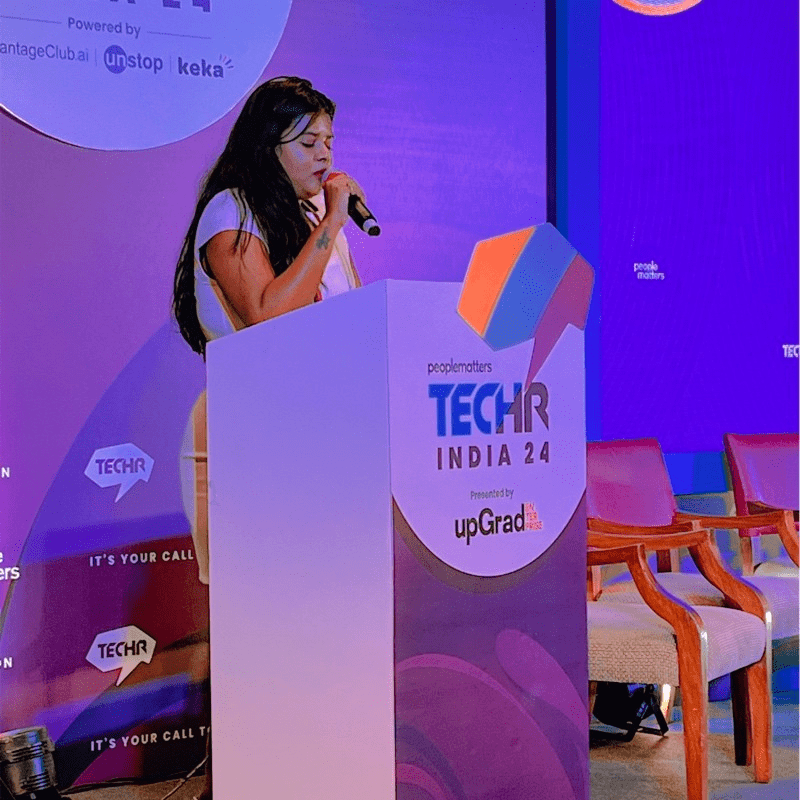





Emily Dalton Smith, who was tasked with advancing Meta's internal AI transformation programme, is leaving the company as employee concerns persist over automation, workforce restructuring and AI-driven workplace changes.
Emily Dalton Smith, the Meta executive leading a major internal AI transformation initiative that has drawn criticism from employees, is leaving the company, according to an internal announcement reviewed by Reuters.
Her departure comes just two months after Meta assigned her a central role in a company-wide effort to expand the use of artificial intelligence across both its products and internal operations. The initiative forms part of a broader restructuring programme that has included workforce reductions, team reassignments and the deployment of new AI tools designed to automate workplace tasks.
Smith, who joined Meta in 2015 and previously served as vice-president of product management and head of product for the company's Threads platform, had been tasked with improving Meta's internal AI infrastructure and accelerating the adoption of AI-powered workflows.
Departure comes during ambitious AI transition
According to Reuters, Smith was selected to lead a key component of Meta's Agent Transformation Accelerator (ATA) programme, an initiative designed to embed AI more deeply into the company's day-to-day operations.
The programme aims to develop AI agents capable of carrying out tasks that are currently performed by employees. The effort has become one of the most closely watched parts of Meta's broader artificial intelligence strategy.
Meta Chief Technology Officer Andrew Bosworth said in an internal memo released in April that Smith's team would focus on developing the interfaces, automation systems, memory capabilities and shared product experiences required to make AI tools more useful across the organisation.
Her responsibilities also included oversight of Metamate, Meta's primary internal AI assistant platform.
Workforce overhaul sparks employee concerns
The restructuring programme has triggered significant debate inside Meta, according to Reuters.
Employees have criticised aspects of the initiative during internal meetings and on company discussion boards. Concerns have centred on the growing role of AI in workplace functions and the impact of automation on jobs.
According to Reuters, the programme has involved:
• Layoffs affecting approximately 10% of Meta's workforce
• The reassignment of nearly as many employees into different business units
• The introduction of mouse-tracking software that some employees believe could help train systems that eventually automate parts of their work
The combination of workforce reductions and AI-driven workplace changes has made the restructuring one of the most contentious internal initiatives undertaken by the company in recent years.
Metamate becomes centrepiece of AI strategy
Before announcing her departure, Smith outlined plans to consolidate Meta's fragmented collection of internal AI tools into Metamate.
In a memo cited by Reuters, she said company leaders wanted Metamate to become the primary entry point for a broad range of workplace activities, including research, product development and business presentations.
The planned upgrades included capabilities that would allow AI systems to:
• Navigate workplace files and information repositories
• Coordinate coding activities through chat-based workflows
• Retain persistent memory of employees' work and interactions
• Integrate dashboard and microsite features from acquired technologies
Reuters reported that Smith's team expected several new capabilities to become available within Metamate from 1 June.
Manus integration adds further scrutiny
Part of the project involved incorporating technology and features associated with Manus, a Singapore-based AI agent startup acquired by Meta for approximately $2 billion in December.
The integration became more sensitive after the Chinese government ordered the deal to be unwound in April. Reuters reported that Meta subsequently cut off Manus' access to internal systems while evaluating its response to the situation.
The episode added another layer of complexity to an already high-profile transformation effort focused on expanding AI capabilities throughout the company.
Transition plans underway
A Meta spokesperson declined to comment on whether Smith was leaving the company but told Reuters that Meta remained committed to incorporating additional AI functionality into Metamate.
In her announcement to employees, Smith said she would remain at Meta for a period to help Bosworth transition the team to its next phase, though she did not disclose her future plans or explain the reason for her departure.
Her exit leaves Meta searching for new leadership for a programme that sits at the centre of its strategy to reshape how employees work alongside artificial intelligence.
As the company continues investing heavily in automation and AI-powered tools, the success of that transformation is likely to remain under close scrutiny from employees, regulators and investors alike.
Topics
Author
Loading...