






Leadership
Microsoft names Ayman AlGhamdi as President of Microsoft Arabia






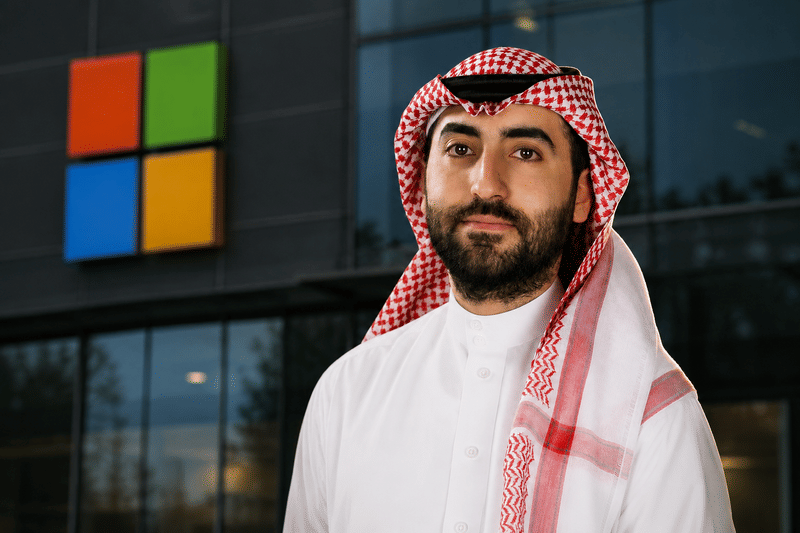
The Microsoft veteran will lead the company's Saudi Arabia business as it expands cloud infrastructure, AI adoption and digital skills initiatives aligned with the Kingdom's Vision 2030 agenda.
Microsoft has appointed Ayman AlGhamdi as President of Microsoft Arabia, effective July 5, 2026, placing a long-serving company executive at the helm of its Saudi Arabia business during a period of accelerated investment in artificial intelligence and cloud infrastructure.
The appointment was announced by Microsoft, which said AlGhamdi will lead the company's work with customers, partners and national institutions to advance trusted AI adoption, strengthen cloud and data capabilities, expand digital skills and support the Kingdom's Vision 2030 priorities.
His appointment comes as Microsoft prepares to launch its Saudi Arabia cloud region and continues expanding its AI ecosystem in one of the company's fastest-growing regional markets.
Fourteen years at Microsoft
AlGhamdi brings 14 years of experience at Microsoft to the role.
Most recently, he served as Vice President, Public Sector, Saudi Arabia, where he worked with government organisations and national institutions on AI transformation, cloud adoption and digital public services.
According to Microsoft, his new responsibilities will include bringing together the company's cloud and AI platforms, cybersecurity capabilities, productivity tools, partner ecosystem and national skilling programmes to help organisations across sectors accelerate digital transformation.
During his tenure, AlGhamdi also helped strengthen partnerships across the public sector, supporting initiatives designed to improve operational efficiency and build long-term digital capabilities.
Microsoft highlights Saudi Arabia's AI momentum
Naim Yazbeck, President of Microsoft Middle East and Africa, said AlGhamdi's appointment comes at an important stage in Saudi Arabia's AI journey.
According to Yazbeck, government organisations, customers and partners across the Kingdom are moving rapidly from AI ambition to implementation. He said AlGhamdi's experience in the public sector and understanding of the local market will help organisations build digital capability, skills and trust as AI adoption accelerates.
Microsoft described Saudi Arabia as a strategic market where public and private sector organisations are increasingly integrating AI into core services and business operations.
Focus on cloud, AI and digital skills
Commenting on his appointment, Ayman AlGhamdi said Saudi government entities are demonstrating how AI can improve services, increase operational efficiency and create value at scale.
He said his immediate priorities include working closely with customers, partners and employees while ensuring Microsoft delivers the full strength of its technology ecosystem across:
- Cloud infrastructure
- Artificial intelligence
- Cybersecurity
- Data platforms
- Digital skills development
AlGhamdi also highlighted Saudi Arabia's designation of 2026 as the Year of AI and said Microsoft will continue supporting the Kingdom's next phase of digital growth.
Supporting Vision 2030
Microsoft has operated in Saudi Arabia for more than two decades, supporting digital transformation across sectors including:
- Government
- Energy
- Aviation
- Manufacturing
- Healthcare
- Education
- National infrastructure projects
Among its recent commitments, Microsoft is preparing to launch its Saudi Arabia cloud region and has pledged to skill three million people in AI by 2030, reinforcing its long-term investment in the country's digital economy.
Next phase of regional growth
With AlGhamdi assuming leadership, Microsoft is positioning its Saudi Arabia business for the next stage of AI adoption as organisations increasingly integrate cloud and generative AI into business operations and public services.
The appointment also reflects Microsoft's continued focus on local leadership as governments and enterprises across the Middle East expand investments in trusted AI, cybersecurity and workforce capability.
Topics
Author
Loading...