






Organisational Culture
Is a new workplace dress code coming to Saudi Arabia? Here's what the HR Ministry says






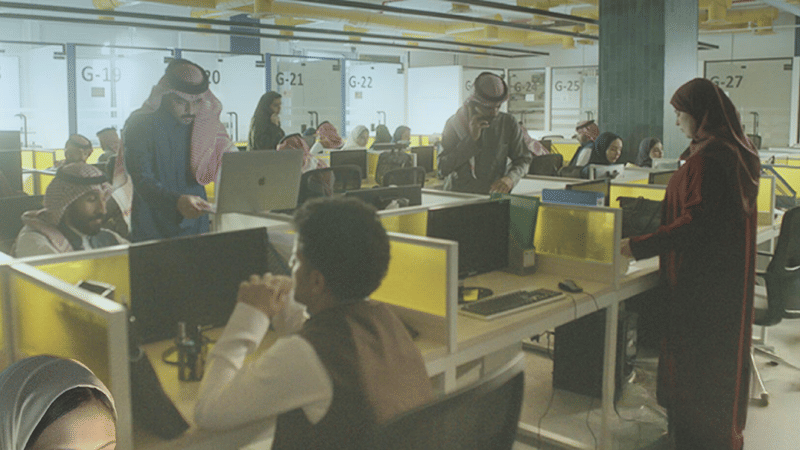
These rules are designed to apply not only in workplace settings but also at official events and media engagements, emphasizing professionalism and public decency across all professional contexts.
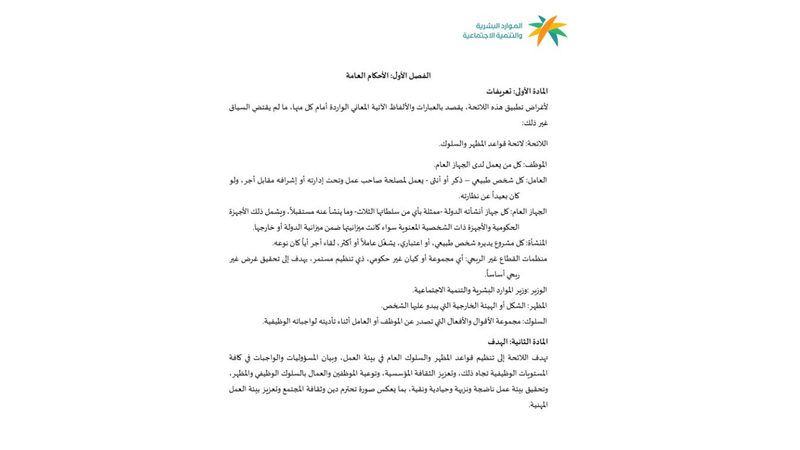
Saudi Arabia is moving toward a more structured and culturally rooted workplace environment, with the Ministry of Human Resources and Social Development (HRSD) unveiling a draft Code of Appearance and Conduct aimed at standardizing attire and behavior across public, private, and non-profit sectors.
The proposal, currently open for public consultation, seeks to reinforce national identity, elevate professional decorum, and create uniformity in office settings across the Kingdom.
Announcing the survey, the Ministry said, "The Code of Appearance and Conduct for employees in the public and private sectors aims to establish clear standards governing workplace attire and behavior, while preserving national identity amid cultural diversity and ongoing developments in the labor market.
We invite all interested parties to participate and provide their constructive suggestions from 25/11/2025 to 25/12/2025 via the survey link.
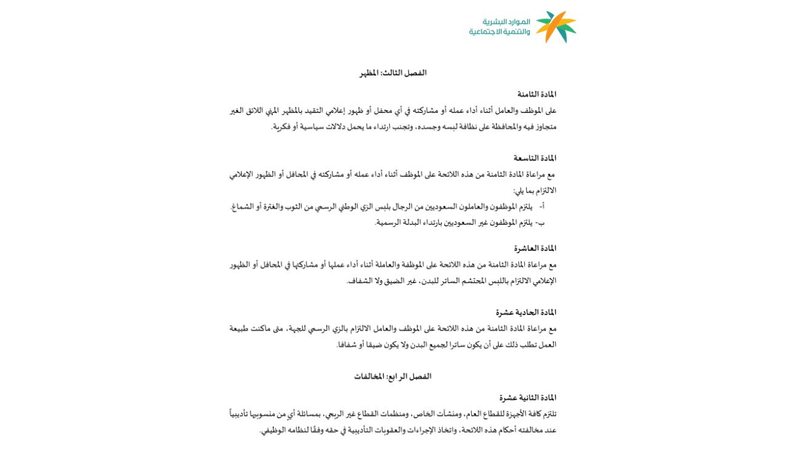
Under the draft guidelines, Saudi men would be required to wear the traditional thawb, paired with the ghutra or shemagh, making cultural heritage a visible part of daily professional life.
Expatriate men would be expected to adhere to formal business attire, removing ambiguities around casual or business-casual dress codes.
Female employees, both Saudi and non-Saudi, would need to follow modesty standards, wearing clothing that is loose-fitting and non-transparent.
These rules are designed to apply not only in workplace settings but also at official events and media engagements, emphasizing professionalism and public decency across all professional contexts.
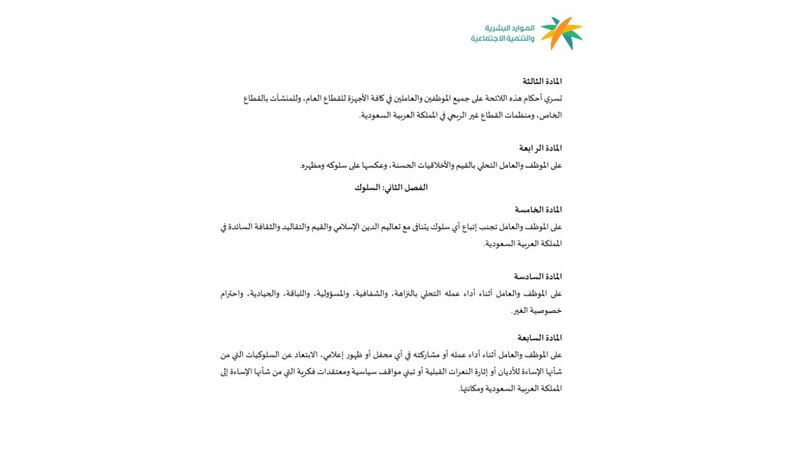
And the draft goes beyond clothing, setting expectations for personal hygiene, respectful conduct, and prohibiting attire or accessories featuring political, ideological, or offensive symbols.
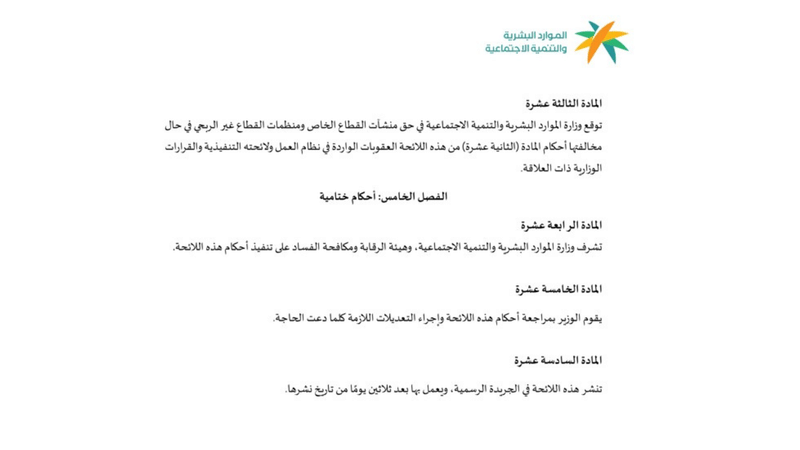
Employers would bear responsibility for implementing the code, with companies required to display internal dress guidelines consistent with HRSD’s regulations. Non-compliance could result in penalties, including fines of up to SR 5,000 under Saudi labor law.
While the draft is still under review, the move signals Saudi Arabia’s intention to foster a cohesive, identity-driven professional environment, marking a significant cultural shift for employees and organizations alike.
Author
Loading...