






Recruiting & Onboarding
Dubai Government brings 34 entities together to expand Emirati career pathways






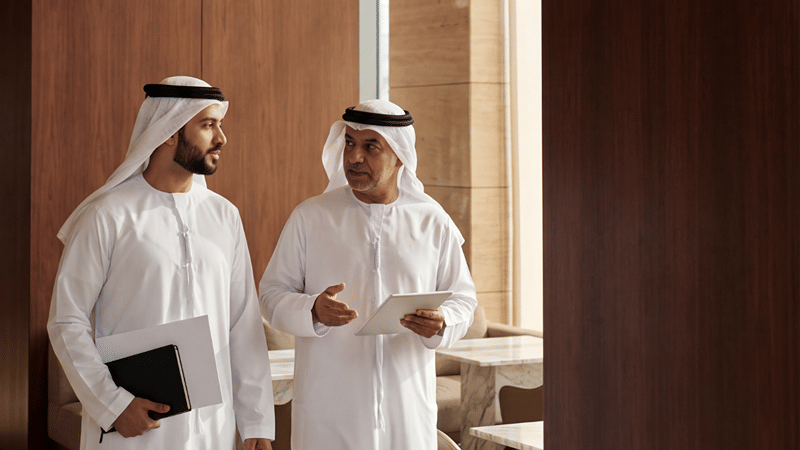
The initiative served as a single platform for government departments to take a more coordinated approach to communicating workforce needs and engaging national talent.
Dubai is bringing together 34 government entities on a single platform at Ru’ya Careers UAE 2026, signalling a broader push to connect Emirati talent with specialised skills, emerging career opportunities and the changing requirements of government work.
The Dubai Government Human Resources Department (DGHR) will oversee the Dubai Government Platform at the careers event, which runs from 28 to 30 September at Dubai World Trade Centre. Rather than positioning the event solely as a recruitment exercise, the platform is designed to give Emirati jobseekers, graduates and students visibility into different government functions, career pathways and the capabilities increasingly required across the public sector.
The initiative comes as government organisations face a changing skills landscape, with digital transformation, data, technology and other emerging capabilities reshaping roles and workforce requirements.
From recruitment to career pathways
The participation of 34 entities creates a single access point for Emirati talent to explore opportunities across a wide range of government functions, from finance and customs to digital security, healthcare, culture, aviation and economic development.
The participating organisations include Digital Dubai, the Department of Finance, Dubai Data and Statistics Establishment, Dubai Civil Defence, Dubai Customs, Dubai Courts, Dubai Culture and Arts Authority, Dubai Future Foundation, Dubai Department of Economy and Tourism, Dubai Land Department, Dubai Electronic Security Center and Dubai Healthcare City Authority, among others.
The breadth of participating entities is significant because it gives candidates a view of government employment beyond traditional administrative roles. It also allows jobseekers to compare different functions and identify where their qualifications and skills could fit within Dubai's wider public-sector ecosystem.
For the government, the platform provides an opportunity to communicate not only current vacancies but also the capabilities it expects to need as roles evolve.
Skills development becomes part of the talent strategy
Abdullah Ali bin Zayed Al Falasi, Director General of DGHR, said developing national human capital remains central to Dubai's future-readiness agenda.
“We are focused on building a talent ecosystem capable of anticipating shifts in the labour market and transforming them into opportunities for growth and development,” he said.
He added that this would require specialised skills and a culture of continuous learning as the nature of government roles changes.
The emphasis on skills and continuous learning suggests a shift from viewing Emiratisation primarily through recruitment numbers towards building a longer-term pipeline of national talent with capabilities aligned to future workforce needs.
For employers, including government entities, this means career fairs can serve a dual purpose: filling immediate talent requirements while giving prospective employees greater visibility into the skills and career pathways that could remain relevant as work changes.
A broader public-sector talent ecosystem
The Dubai Government Platform will also host meetings, partnerships, agreement signings and other activities involving participating entities and officials during the three-day event.
For Emirati students and graduates, the model offers exposure to a wider range of public-sector career options before they make early career decisions. For government entities, bringing recruitment activity under one platform can create a more coordinated approach to communicating workforce demand and engaging national talent.
DGHR is also encouraging Emirati jobseekers to register on the Dubai Careers platform and update their professional profiles and CVs before attending the exhibition.
The initiative ultimately reflects a broader workforce challenge: as government functions become more technology-enabled and specialised, attracting Emirati talent will need to go beyond presenting vacancies. It will increasingly depend on showing candidates where their skills can take them, what capabilities future roles will require and how organisations can support continued career development.
Topics
Author
Loading...