






Recruitment
Average GCC pay hikes below 5%, but talent shifts and skills gaps are reshaping hiring







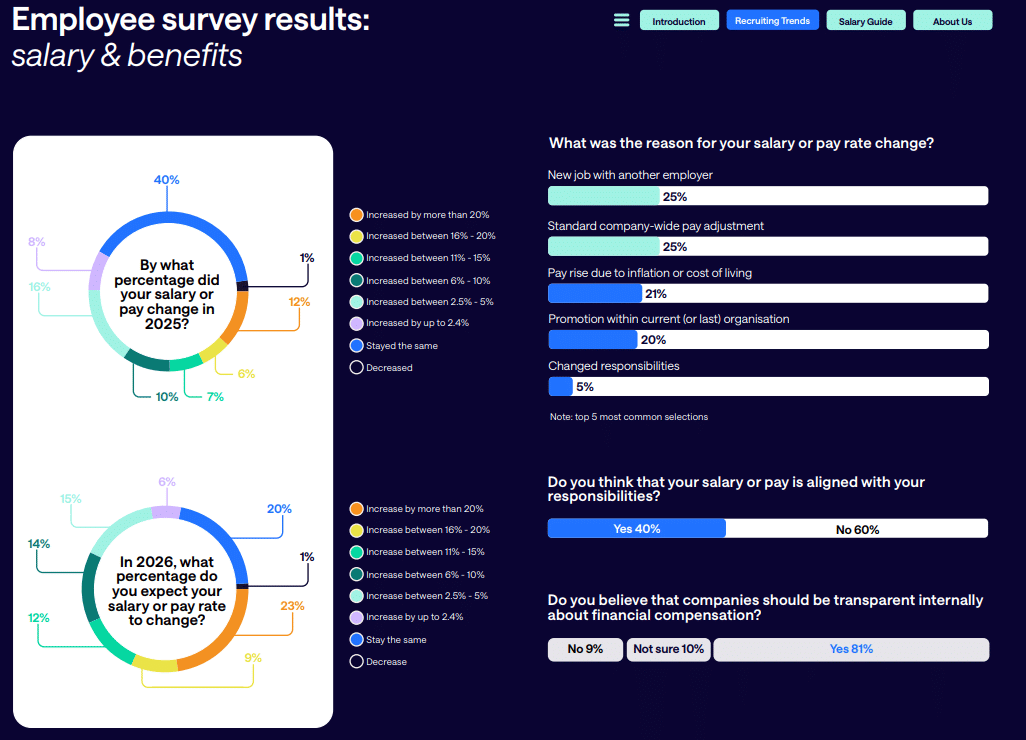
Salary optimism rises, as 58% of professionals got a pay hike in 2025, yet 60% feel underpaid, highlighting pressure on employers to review pay structures.
Despite a return to modest salary increases across the Gulf, the region’s labour market is undergoing significant structural change, according to the Hays GCC Salary Guide 2026.
While the majority of professionals saw pay rises of less than 5% in 2025, employers are facing mounting pressure from skills shortages, high workforce mobility, and shifting employee expectations, including demands for career progression, flexible work, and AI-driven upskilling. These dynamics are forcing organisations to rethink not just compensation, but how they attract, retain, and develop talent in a rapidly evolving market.
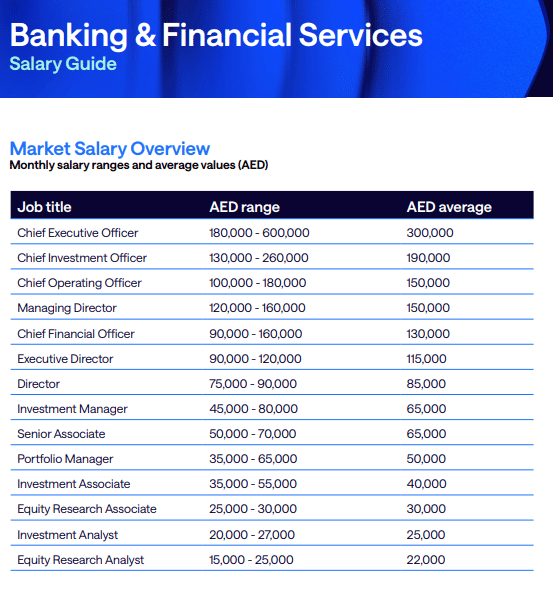
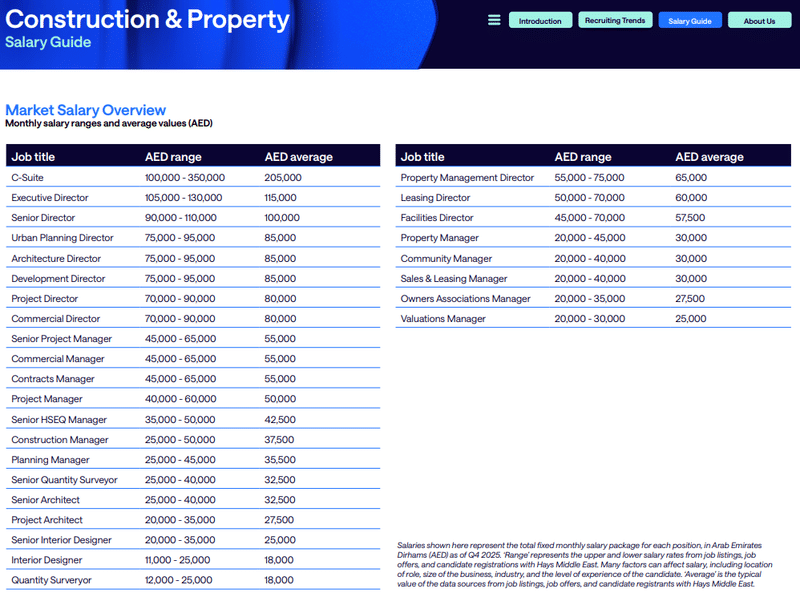
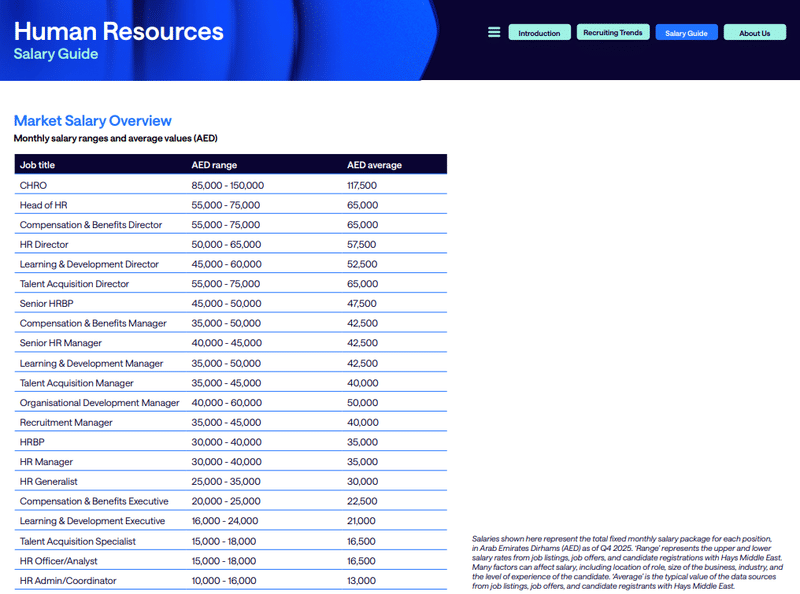
The report serves as an annual guide benchmarks salaries for nearly 400 roles across 11 sectors in the Gulf Cooperation Council (GCC). Its findings are based on insights from more than 1,600 employers and professionals across the Middle East.
Despite ongoing global uncertainty, hiring momentum across the region remains strong. Two-thirds (66%) of employers increased headcount in 2025, while only 13% say they have no major hiring plans for 2026.
Growth continues to be led by the UAE and Saudi Arabia, particularly in technology, banking, construction and large-scale transformation programmes.
“Despite ongoing global economic uncertainties, the Gulf region continues to demonstrate resilience and forward momentum,” said Oliver Kowalski, Managing Director at Hays Middle East, pointing to economic diversification, fiscal reforms and non-oil sector investment. With GDP growth projected at around 4.6% in 2026, the region is entering what he describes as a new phase of transformation driven by technology, sustainability and human capital.
Yet beneath the headline resilience lies a more complex talent reality.
A market rich in jobs, but short on skills and clarity
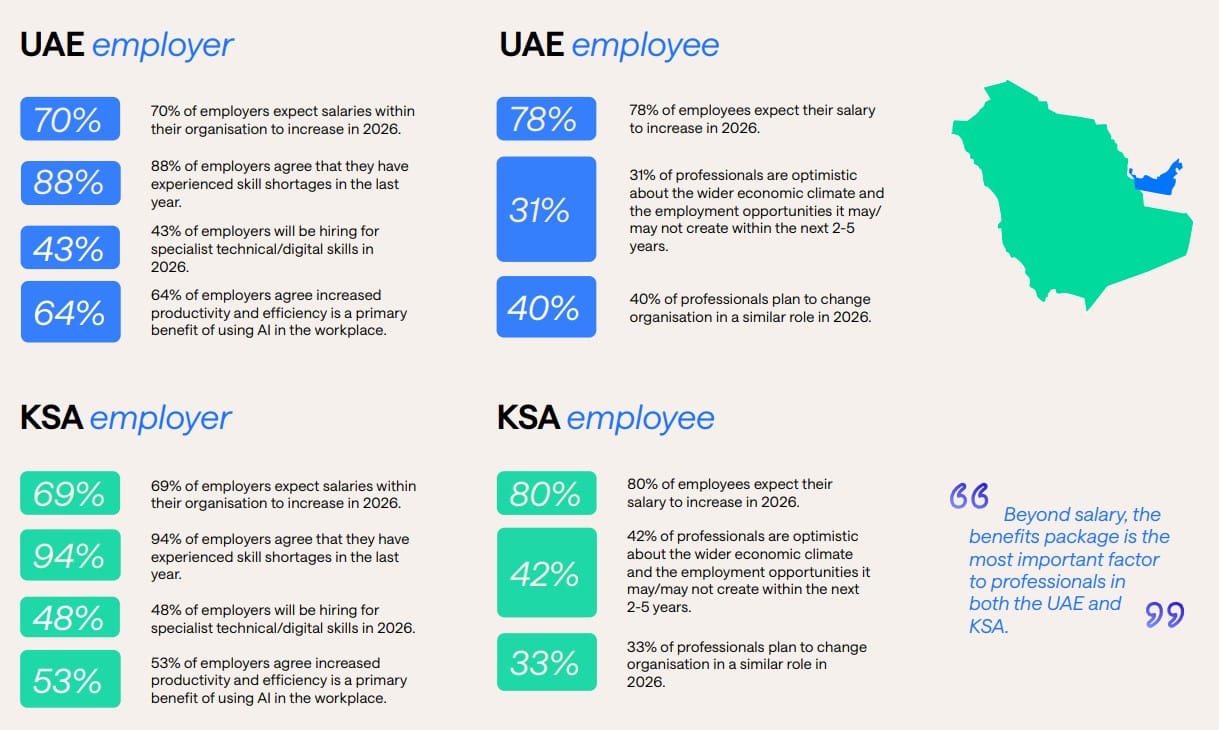
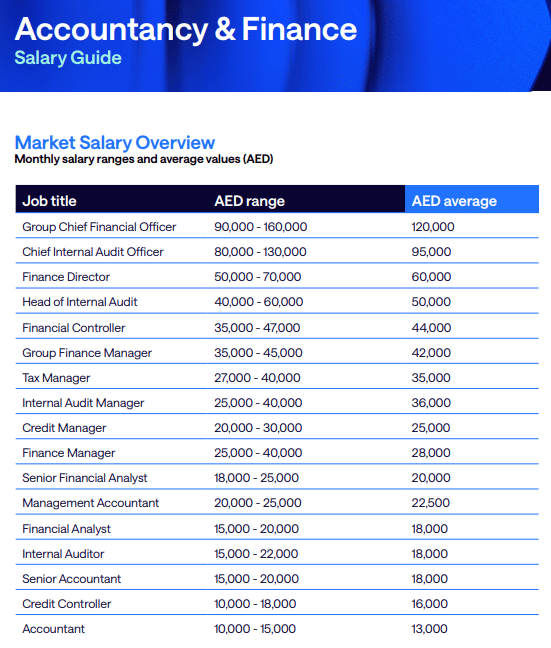
The Hays report makes clear that the challenge facing employers is no longer job creation, but talent availability and retention. A striking 90% of organisations reported skills shortages in 2025, most of them persistent rather than temporary.
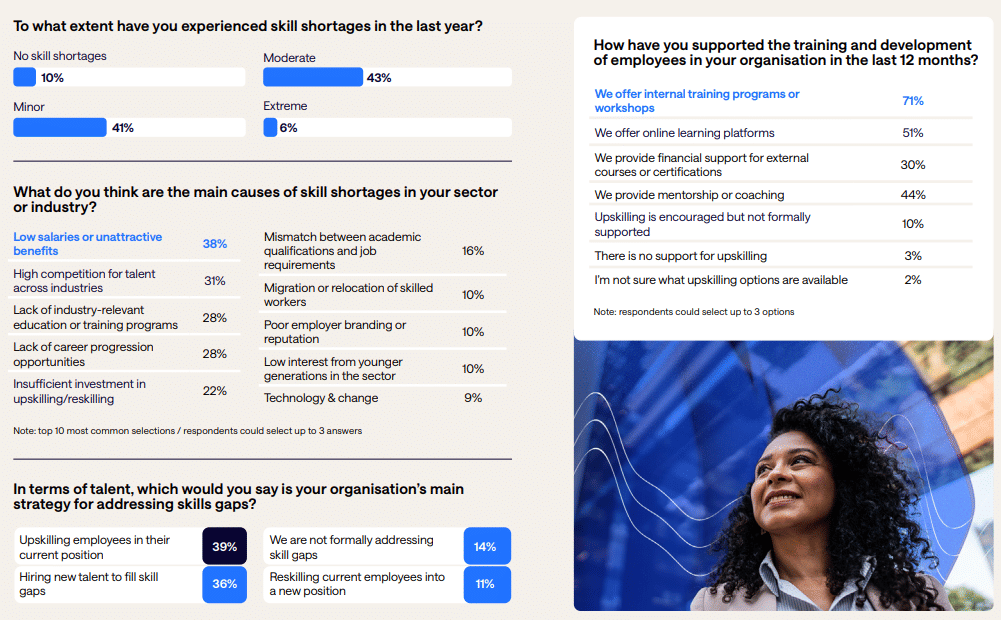
Employers cited uncompetitive pay and benefits, intense cross-industry competition and limited career progression as the primary drivers of these gaps. Technical and digital skills remain the most in-demand, followed by business analytics, sector-specific expertise and leadership capability.
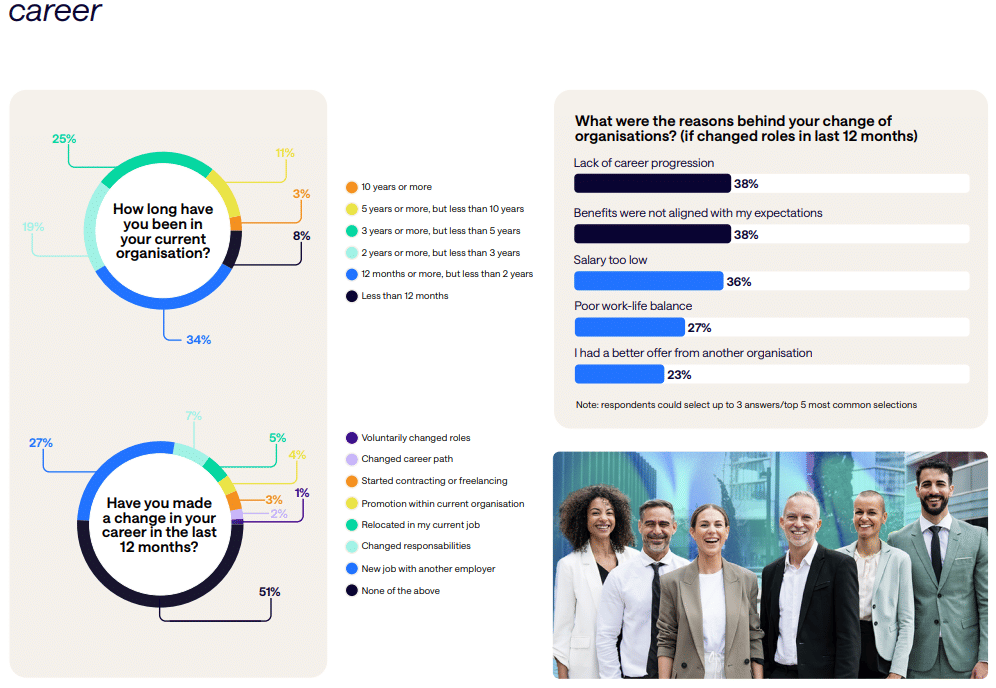
At the same time, workforce mobility across the region remains high. In the UAE, around 40% of professionals plan to change roles in 2026, highlighting what Hays describes as a structural retention challenge rather than a cyclical one. Career progression, workload and benefits alignment are now stronger exit drivers than job availability itself.
Salary growth returns, but expectations run ahead
Salary optimism is improving, but not fast enough to close perception gaps. 58% of professionals received a pay increase in 2025, up from 51% the year before. However, 60% still believe their compensation does not reflect their responsibilities, underscoring mounting pressure on employers to reassess pay structures.
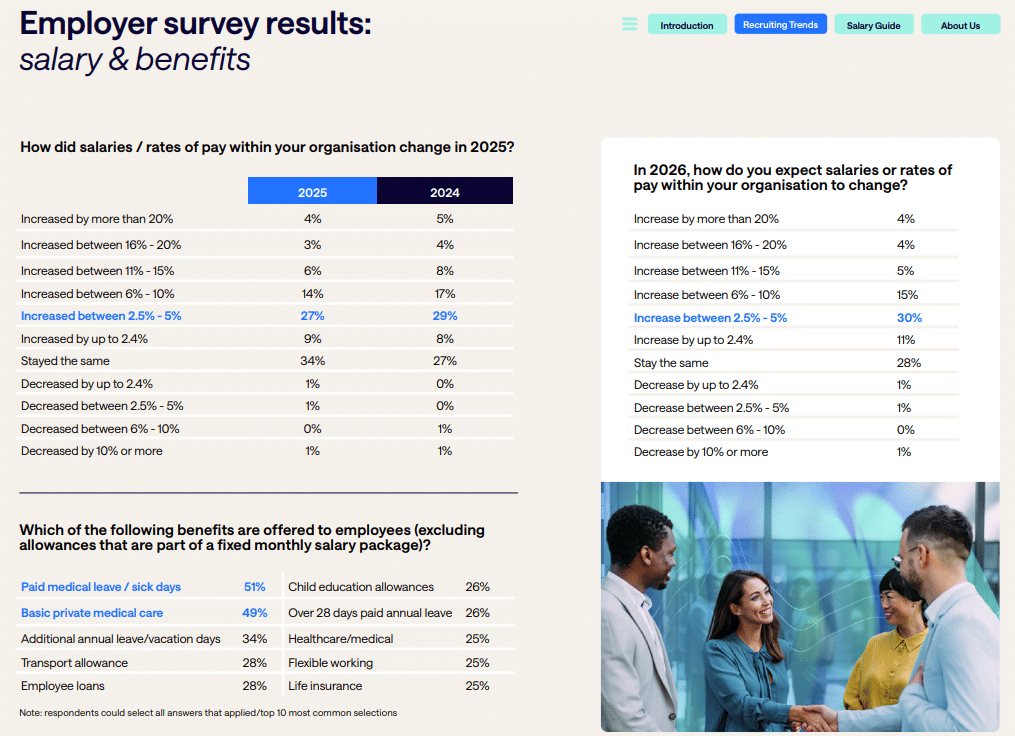
Most salary increases remain clustered in the low to mid single digits, with double-digit gains typically linked to job moves rather than internal progression.
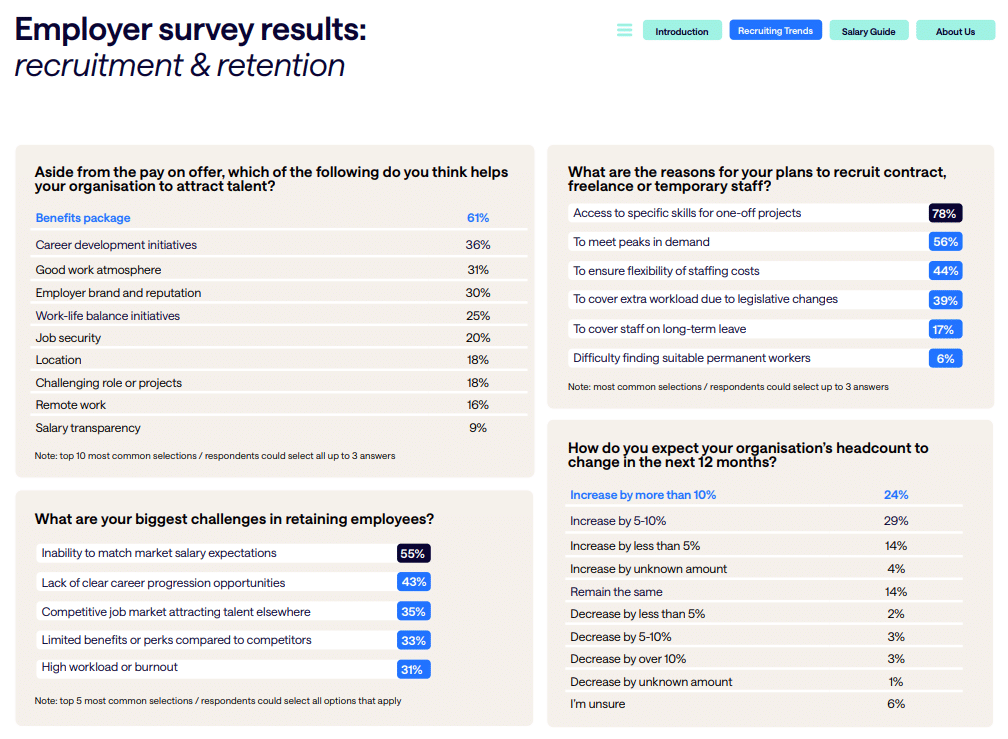
Expectations for 2026 are notably higher than actual outcomes in 2025, raising the risk of widening mismatches between employee expectations and employer budgets.
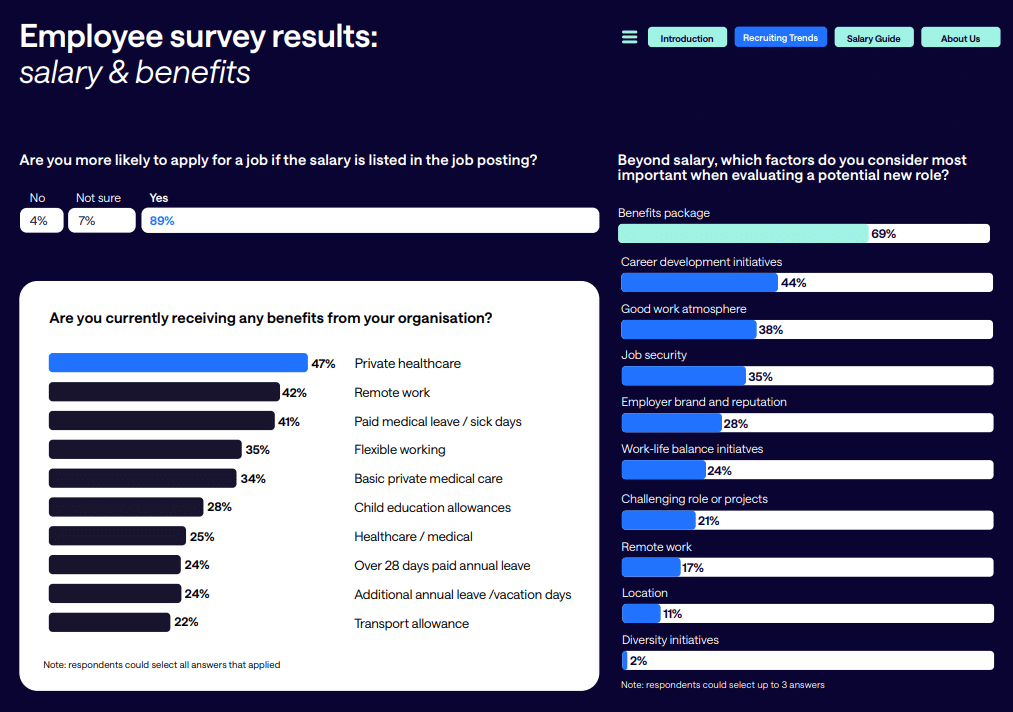
Increasingly, benefits and total rewards are emerging as decisive differentiators. Once base pay meets market thresholds, professionals place greater value on child education allowances, flexible and remote working, additional leave and wellbeing support. Many employers, however, continue to over-index on traditional benefits, creating a growing perception gap.
Nationalisation moves from compliance to capability
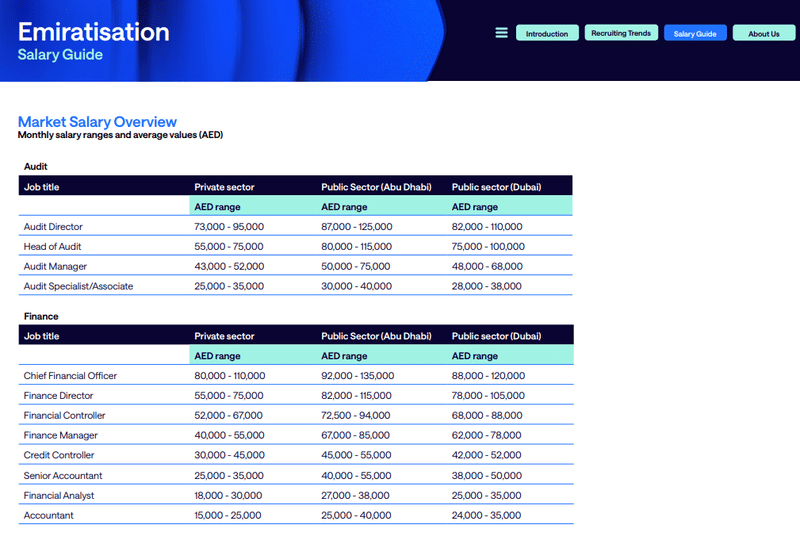
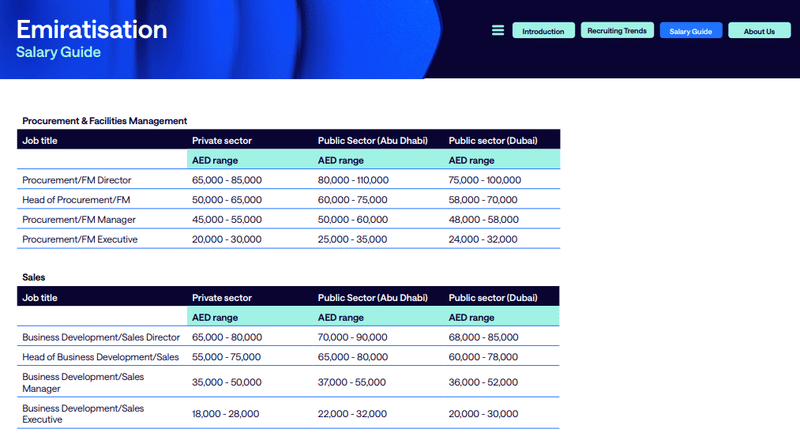
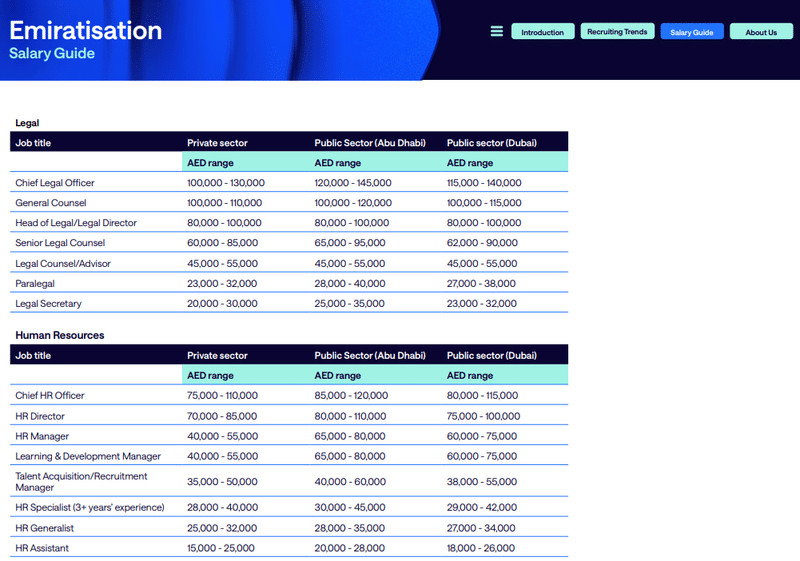
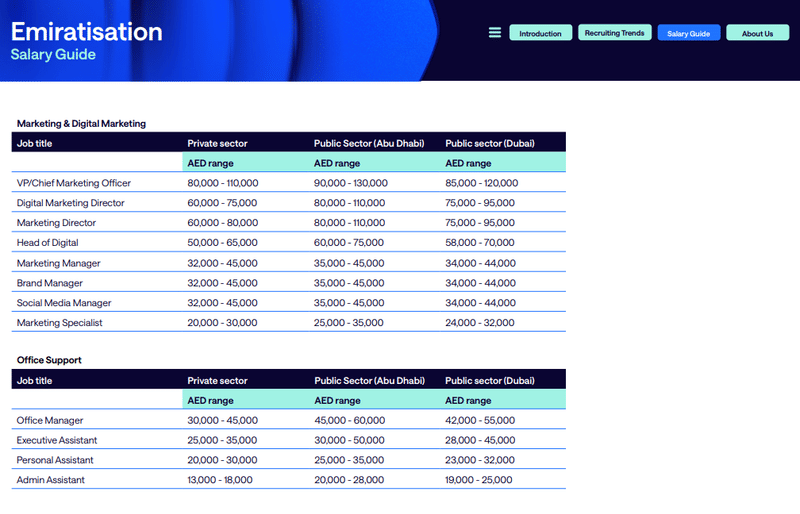
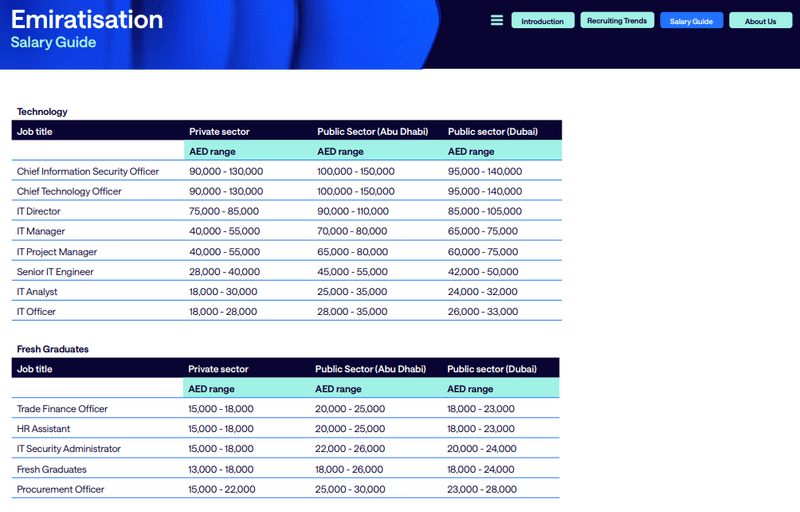
Nationalisation remains a central workforce priority across the Gulf, but the focus is shifting. In the UAE, Emiratisation targets for skilled roles have risen from 8% to 10%, with 42% of companies planning to increase Emirati headcount in 2026. In Saudi Arabia, 93% of employers already employ Saudi nationals, and three-quarters plan further increases.
The report notes that compliance-driven approaches are no longer sufficient. Retention, development and career progression of national talent are increasingly being treated as board-level concerns, requiring long-term workforce planning rather than annual quota management.
AI adoption accelerates, training lags behind
One of the clearest signals from the 2026 guide is the rapid acceleration of artificial intelligence adoption. Around two-thirds (66%) of professionals already use AI regularly at work, citing productivity gains, idea generation, communication clarity and data analysis.
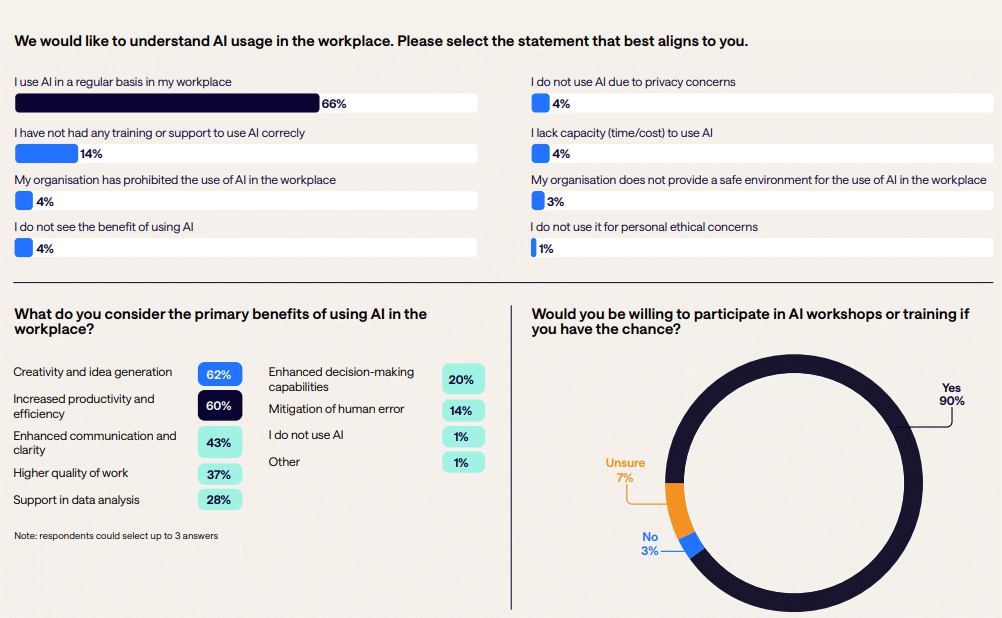
However, only a quarter of employees say they have received formal AI training from their employers, even as 90% express willingness to attend structured programmes. This widening gap between tool adoption and skills governance, Hays warns, creates uneven productivity gains and growing risk exposure.
The implication for leaders is clear: AI strategy is now inseparable from people strategy. Without training frameworks and clear governance, the benefits of AI will remain inconsistent.
A shifting talent equation
Overall, the Hays GCC Salary Guide 2026 points to a labour market under pressure but full of opportunity. Hiring remains strong, mobility is high and skills are scarce, but what has fundamentally changed is the decision logic of talent.
Professionals are no longer moving purely for pay. They are moving for clarity, progression, flexibility and relevance. According to Hays, organisations that invest in skills development, transparent career pathways and meaningful employee experiences will be best positioned to compete in the year ahead, not just for talent, but for sustainable growth.
Author
Loading...