







Egypt Forum 2026 has recommended raising the country’s minimum wage from EGP 8,000 to EGP 15,000 by the 2029/30 fiscal year, alongside a proposal to increase average employee wages by at least 50% over the same period.
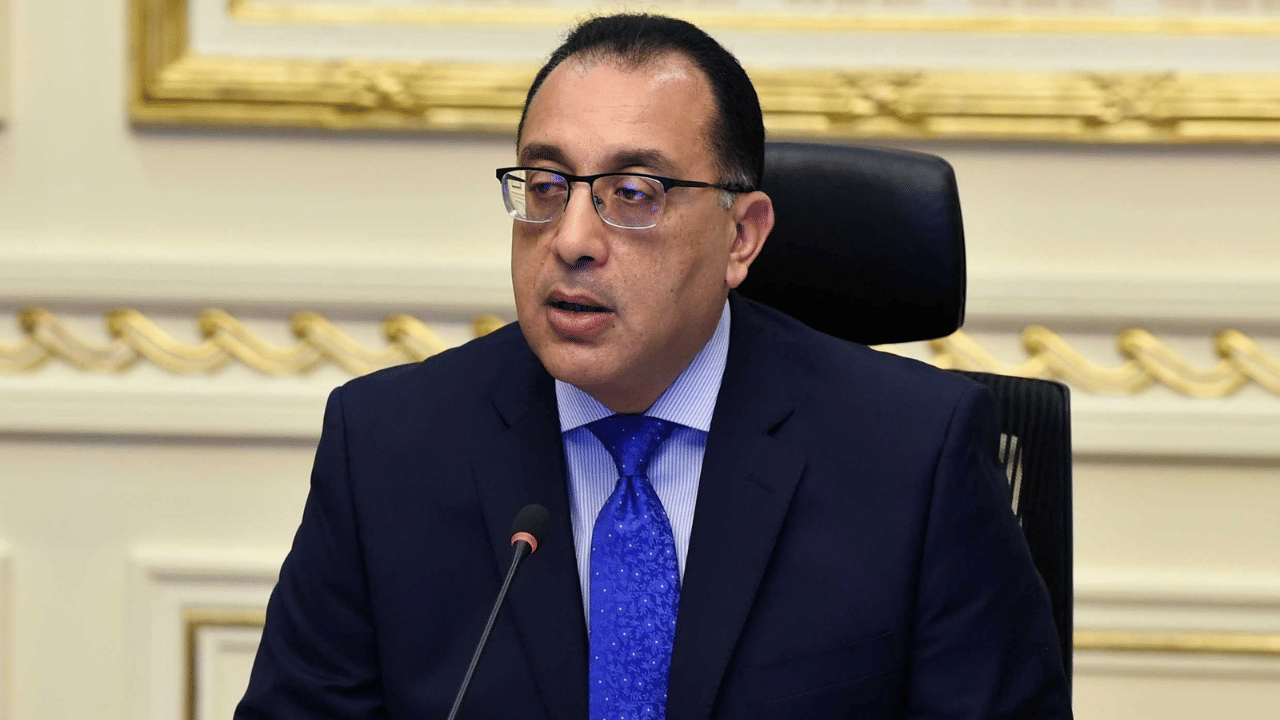
Prime Minister Mostafa Madbouly outlined the recommendations during the closing session of the six-day forum, held from October 19 to 24 under the theme “A Look at Today, A Vision for Tomorrow”.
The proposals cover wages, employment, education, housing, agriculture, industry, investment and energy, setting out priorities for the government’s development agenda in the coming years.
The wage recommendations also call for a phased financial incentive plan for managers based on their responsibilities, with the minimum wage for this group reaching EGP 15,000 within two years. The forum further proposed improving the incomes of university faculty members and their assistants.
Egypt raised its minimum wage to EGP 8,000 per month from July 1, 2026, following a EGP 1,000 increase announced by the government in April. Madbouly said at the time that the government’s total wage bill would rise by 21% year on year in the 2026/27 fiscal year.
Beyond wages, the forum recommended expanding employment opportunities in the information technology and telecommunications sectors, with a target of creating 200,000 jobs by 2030. It also proposed an initiative to support the creation of at least five companies valued at $1 billion over the next five years, with potential for regional and international expansion.
The recommendations include a programme to provide one million housing units across different income categories over four years, backed by estimated investments of EGP 1 trillion. In education, the proposals call for developing 600 technical schools in partnership with private-sector companies and labour market representatives, as well as introducing a professional licensing programme for teachers linked to financial benefits.
The forum also proposed expanding cultivated land to 12.5 million feddans by 2030, strengthening support for local manufacturing and distressed factories, and increasing renewable energy capacity to approximately 30 gigawatts by the end of 2028.
The recommendations are part of a wider development agenda that also includes reducing the budget debt-to-GDP ratio to around 69.5% by June 2030, increasing budget allocations for citizen-focused services and creating incentives to boost exports and service-sector employment.