






Economy Policy
Egypt raises minimum wage to EGP 8,000 from July, boosts pay for teachers and healthcare workers






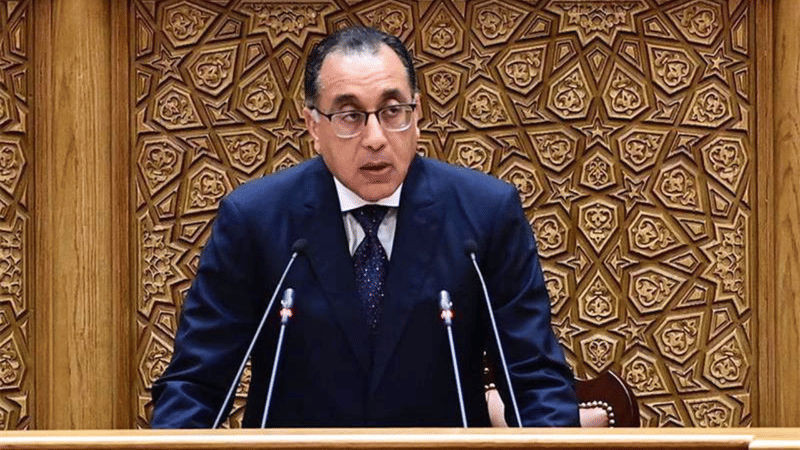
Minister of Finance Ahmed Kouchouk said employees not covered by the Civil Service Law will receive a 12% bonus, while those under the law will benefit from a 15% increase.
The Egyptian government has approved a significant increase in the country’s minimum wage, raising it to EGP 8,000 per month starting July 1, as part of broader efforts to support household incomes and ease cost-of-living pressures.
Announced during a weekly cabinet press conference, Prime Minister Mostafa Madbouly said the move reflects a EGP 1,000 increase and forms part of the fiscal year 2026/2027 state budget. He added that the government’s total wage bill will rise by 21% year-on-year, marking one of the largest increases in recent years.
Madbouly noted that the adjustments include a standard 15% periodic salary increment, alongside exceptional raises targeting key public sector roles. Teachers will see their salaries increase by EGP 1,100, while healthcare workers will receive an additional EGP 750.
Minister of Finance Ahmed Kouchouk said employees not covered by the Civil Service Law will receive a 12% bonus, while those under the law will benefit from a 15% increase.
The prime minister also highlighted that, for the first time, the wage hike is expected to outpace the country’s inflation rate, an important milestone as Egypt continues to grapple with economic pressures.
The latest adjustment builds on a series of minimum wage increases in recent years. The most recent revision, implemented in March 2025, raised private sector minimum wages to EGP 7,000. Prior hikes saw wages rise steadily from EGP 2,400 in early 2022 to EGP 6,000 by mid-2024, reflecting a sustained policy push to strengthen income levels.
The wage measures come as Egypt advances broader economic reforms under an $8 billion Extended Fund Facility agreement with the International Monetary Fund. The programme, expanded in 2024, aims to restore macroeconomic stability, address foreign currency shortages, and support long-term growth.
Earlier this year, Egypt secured approximately $2.27 billion in additional financing following the approval of programme reviews, bringing total disbursements to around $5.2 billion.
Officials say the latest wage reforms are part of a wider national development strategy focused on boosting competitiveness and ensuring economic resilience in the post-reform phase.
Author
Loading...