







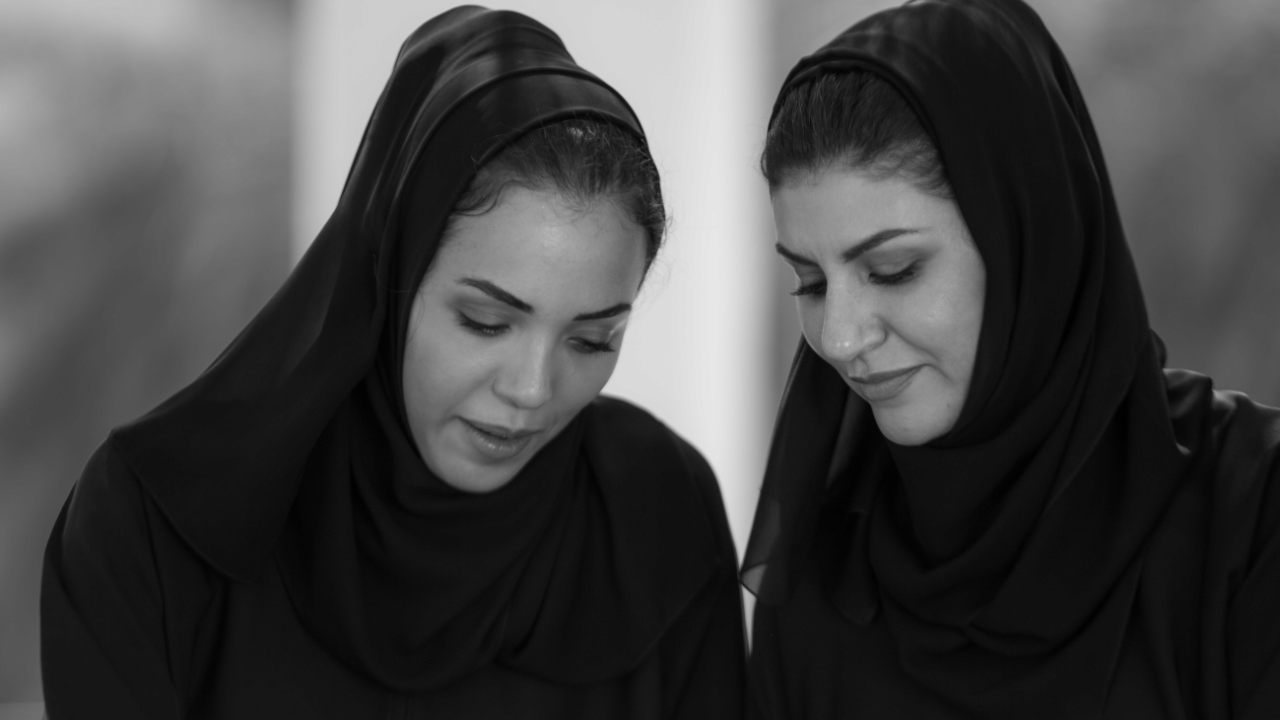
The United Arab Emirates’ labour market is finally seeing the positive progress it has long aimed for. Skilled women now make up 45.4% of the total female workforce, while women in leadership positions account for 16.6%, reflecting a steady shift toward more inclusive organizational structures.
According to the newly released statistics from the Ministry of Human Resources and Emiratisation (MOHRE), significant advances in women’s participation across the UAE’s private sector are visible, underscoring the country’s ongoing commitment to gender balance and equal opportunity. The Ministry noted that 35.8% of private-sector establishments were contributing to the employment of women as of the third quarter of 2025.
The nation long prioritized the empowerment of women, providing effective skilling opportunities, embedding equality into its legislation and national strategies.
The Labour Law, “Regulating Employment Relations,” reinforces this commitment by ensuring equal pay for men and women performing the same or equivalent work and guaranteeing full protection of women’s rights in the workplace.
It also abolishes previous restrictions on women working night shifts or taking jobs in physically demanding sectors such as mining, manufacturing, construction, energy, agriculture, and transportation.
Most importantly, the law prohibits any form of gender-based discrimination, including in recruitment, promotion, or termination. Employers are explicitly barred from dismissing or warning female employees due to pregnancy, an essential safeguard that supports women’s economic participation and professional continuity.
The Ministry's latest data reveals that working women currently hold around 1.039 million jobs across eight key professions and economic sectors. And more than 72,000 women now serve in managerial and leadership roles, heading private companies, departments, or strategic projects. The momentum has been particularly strong over the past two years.
Women’s participation in the private sector grew by 20.95% during 2024 and the first half of 2025, while the number of companies employing women increased by 27.54% over the same period.
Leadership representation also saw a sharp rise, with women in senior roles increasing by 33.8%, especially in legislative, managerial, and business-oriented positions.
Skilled women constitute 46.07% of the total female workforce, while skilled female workers now make up 28.86% of the UAE’s overall skilled private-sector workforce.
The healthcare sector continues to see the strongest female presence, with women accounting for 64.05% of roles. In education, women hold 16.61% of private-sector jobs.
You may also like:
- Oman sets June 2026 deadline for licensing key energy and mining job roles
- The paradox of Asia's talent crisis: Why competitors must build regional commons together
- Nearly half of UAE and Saudi Firms plan to hire more in 2026, Signalling major jobs boom
- 47% Omani employers hiring and training freshers: Report
- 51% of AI learners in Saudi are women: SDAIA report
- Saudi Arabia to support working women in the private sector with up to 50% childcare coverage
These advancements reflect the UAE’s sustained efforts to enhance the working environment, promote equal opportunities, and position women as influential partners in shaping the nation’s future. As the country continues to expand opportunities and strengthen workplace protections, women’s economic participation is expected to climb even further in the years ahead.