






HR Technology
Digital HR Readiness in Kuwaiti SMEs: Insights from Keka and People Matters ME Talent Majlis






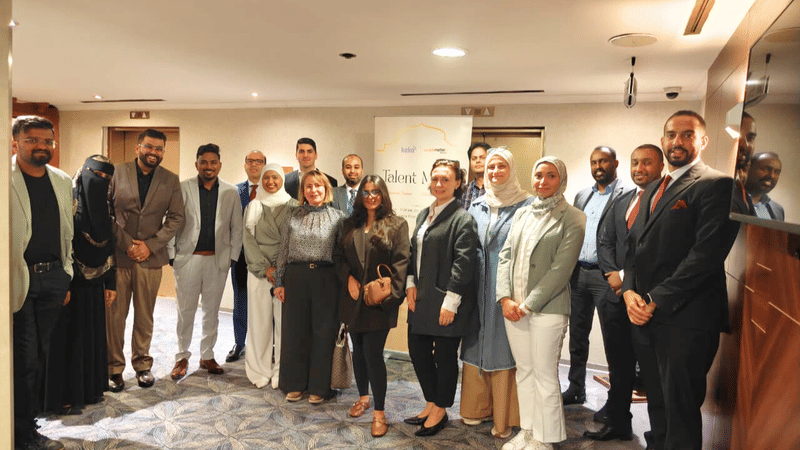
Talent Majlis in Kuwait explored where organizations stand on the digital maturity curve, what’s driving change, and how technology, especially AI, can become an enabler of transformation shaping the region’s digital HR evolution in line with ‘New Kuwait 2035’ Vision.
Kuwait’s SME sector is fast emerging as a cornerstone of private sector growth – agile, ambitious, and brimming with potential. Yet, when it comes to digital HR adoption, many are still at the early stages of the journey. This presents a powerful opportunity, not just to bridge existing gaps but to reimagine how people, technology, and purpose come together to build future-ready workplaces.
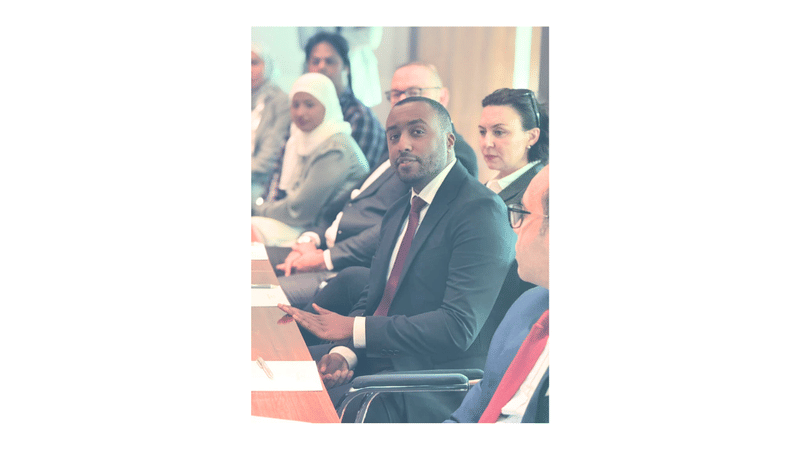
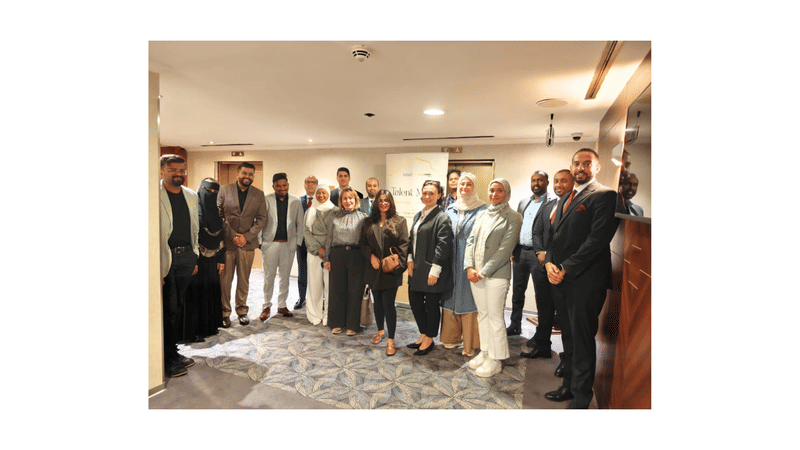
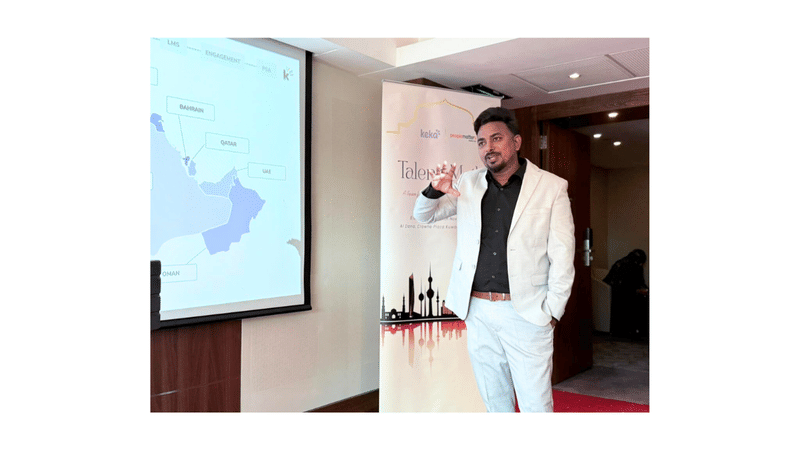
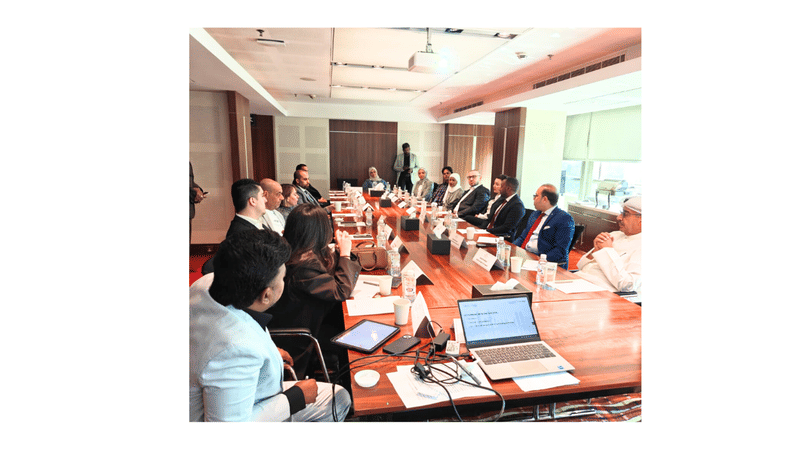
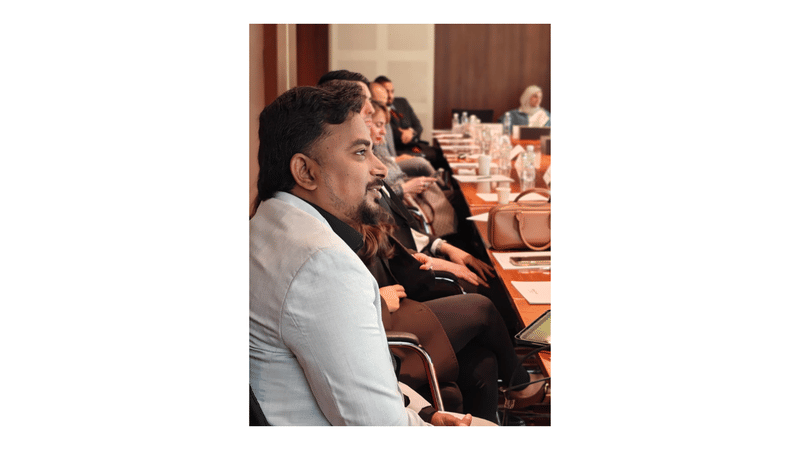
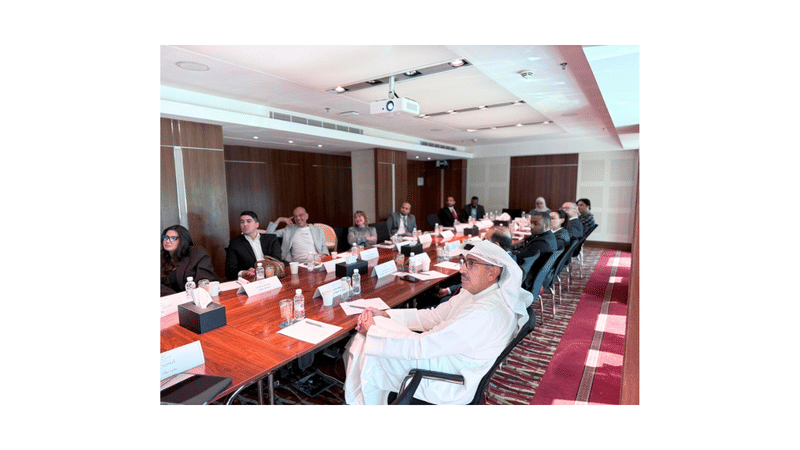
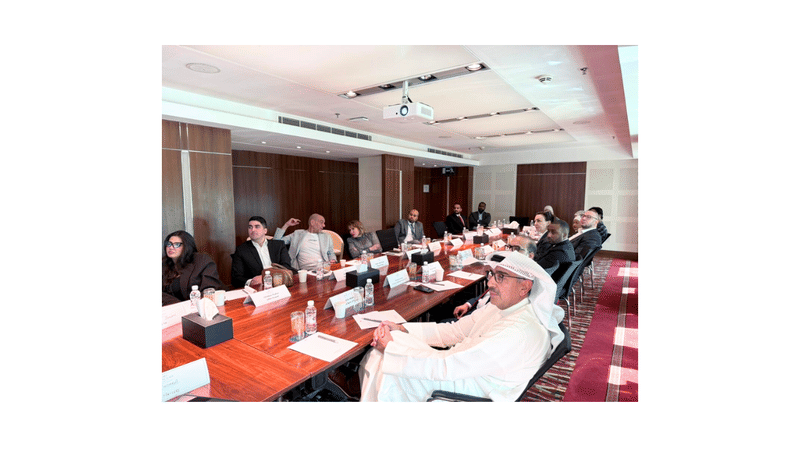
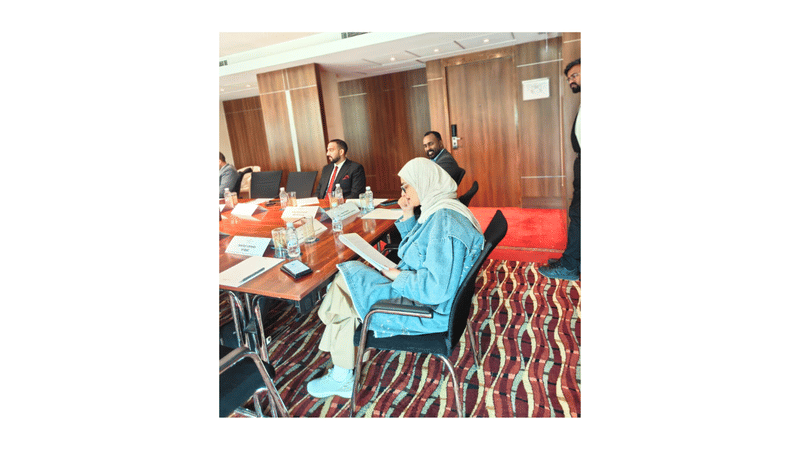
At the Kuwait Talent Majlis, organized by People Matters Middle East in partnership with Keka, top HR leaders came together to unpack this very opportunity.
The session explored where organizations stand on the digital maturity curve, what’s driving change, and how technology, especially AI, can become an enabler of transformation shaping the region’s digital HR evolution in line with ‘New Kuwait 2035’ Vision.
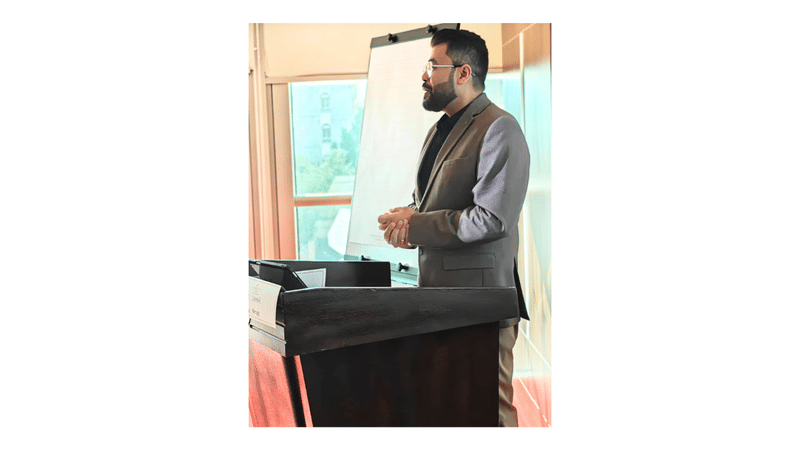
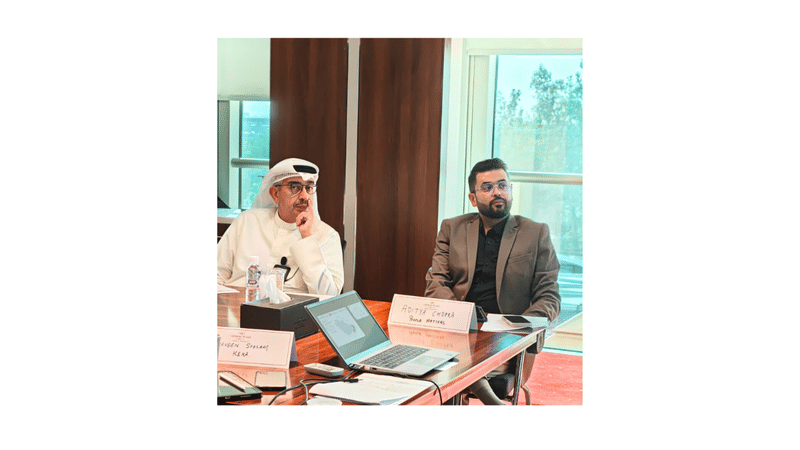
Moderating the session, Aditya Chopra, Head of New Markets at People Matters commented, "The Talent Majlis aims to bring together leaders in an intimate, high-trust space to explore the future of work, share insights, and shape strategies that drive meaningful transformation. It’s about creating practical, people-focused strategies that help organizations navigate today’s challenges and thrive tomorrow."
Praveen Seelam, Regional Head - Middle East, Keka added, "The Kuwait Talent Majlis for us is more than just an event- it is a collective movement co-created by People Matters ME and Keka for HR leaders to come together and reimagine Kuwait’s Digital Transformation in the SME talent ecosystem as per the New Kuwait 2035 Vision. The objective is to help organisations become truly people first and utilise technology efficiently to transform into future- ready organisations. "
Here are the key insights from the People Matters ME Talent Majlis in Kuwait
A Profession Rooted in Purpose
One of the most resonant themes that emerged was the deep sense of purpose HR leaders feel in their roles, the shared belief that HR is not just about policies and processes, but about transforming lives. Many participants echoed how empowering people at work is at the heart of why they do what they do. In a market like Kuwait — where human capital is central to Vision 2035, this people-first mindset is not just admirable, but essential.
The Rise of AI: Hope, Not Fear
AI emerged as a subject of both curiosity and concern. Leaders acknowledged that while AI will not replace jobs, it will fundamentally change the nature of work. The room agreed: AI is an enabler, but for it to truly benefit organisations, awareness, education, and clarity are critical. The real transformation lies not in the tools, but in ensuring that people understand how to work alongside them, particularly in SME environments where talent depth is still developing.
Digital HR Transformation: Gaps, Not Just Goals
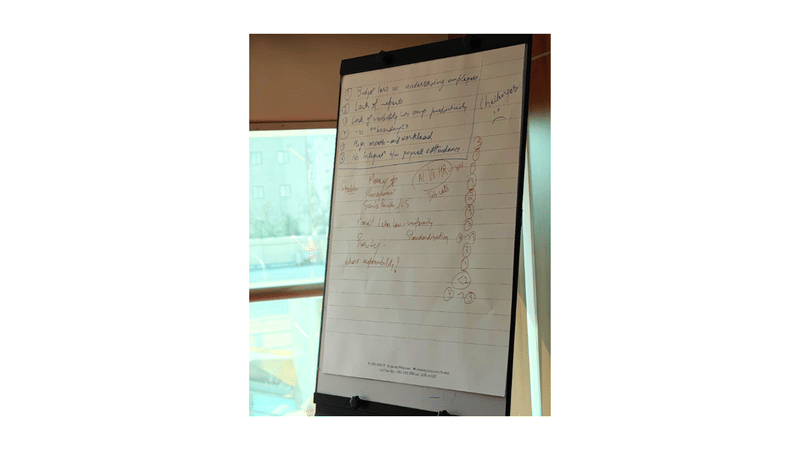
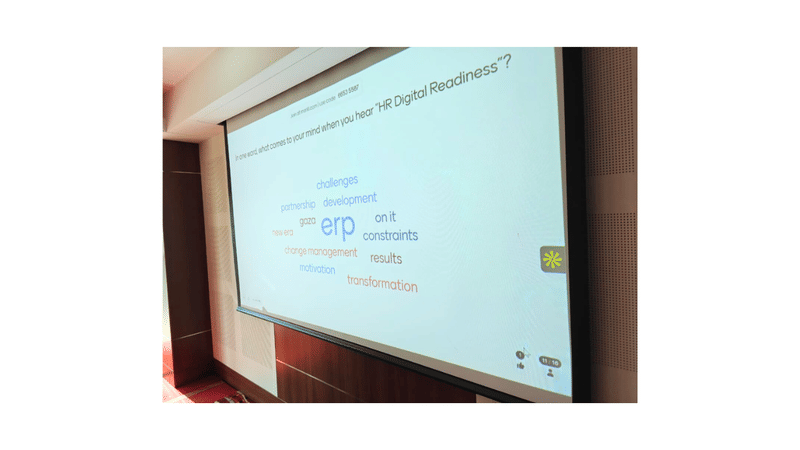
There was collective recognition that digital HR transformation is not yet a priority for many organisations, not because of lack of belief, but due to budgetary constraints, competing business urgencies, and the absence of a clear digital roadmap.
Several leaders candidly shared that even basic digitisation, like attendance systems, performance reviews, or employee feedback loops, is inconsistent across SMEs in Kuwait. The need for integration of disparate systems was flagged as a common barrier, with many still running parallel manual and digital processes that undermine efficiency.
Budget vs Buy-In
One of the most vocal themes in the discussion was budget or the lack of it. Leaders expressed that digital HR often competes with business-critical investments, and without top-down commitment, HR transformation becomes difficult to fund.
This triggered a call for HR leaders to build stronger business cases, backed by tangible ROI metrics, and to link people transformation more directly to strategic outcomes.
Standardisation: The Policy Problem
Several participants emphasized the lack of standardised labour policies and frameworks across industries as a hindrance to both digitisation and fairness. The absence of clear, consistent compliance structures complicates the digital adoption of core HR functions like payroll, leave, and performance evaluation. There was consensus that a national push toward harmonising labour practices would dramatically accelerate digital readiness, especially for SMEs who may not have in-house legal or compliance teams.
The way forward:
- More vocal and visible advocacy for digital HR within SMEs, especially from HR leaders positioning themselves as change agents, not function owners.
- Stronger cross-industry collaboration, where success stories, best practices, and shared vendor ecosystems can reduce costs and speed up implementation.
- Increased demand for modular, integrated HR tech solutions tailored for Kuwaiti SMEs, simple to deploy, compliant with local laws, and mobile-first.
- Greater clarity on AI and emerging tech, with future discussions focused on digital upskilling of both HR teams and the broader workforce.
- A potential push towards sector-wide forums or councils that can collectively advocate for policy standardisation, shared benchmarks, and digital maturity scoring.
Author
Loading...