






Workforce Planning
Job creation is reshaping workforce mobility across the Gulf: BNW Developments CHRO






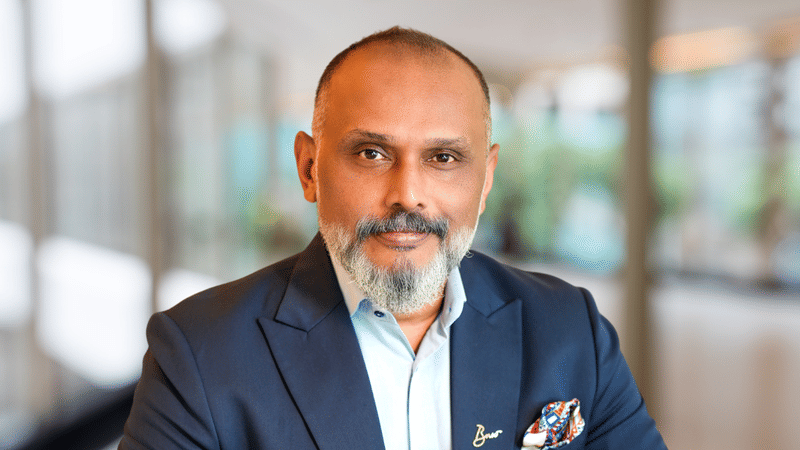
Mohit Menon, CHRO, BNW Developments, explains why job creation and workforce mobility are reshaping talent strategy across the Gulf.
Talent mobility is no longer driven solely by compensation or employer brand. Increasingly, it is being shaped by where new industries emerge, where jobs are created, and how cities evolve around them. As economic diversification accelerates across the Gulf, workforce mobility is becoming a strategic consideration for organisations planning where and how they attract talent.
Across the UAE, new employment corridors are emerging beyond traditional business hubs. From hospitality and tourism to manufacturing, logistics and technology, expanding economic zones are attracting businesses, skilled professionals and entrepreneurs. As a result, organisations are rethinking workforce planning, talent availability and long-term location strategies.
For HR leaders, these shifts represent more than labour market trends. They influence recruitment pipelines, workforce mobility, employee experience and even the communities that grow around expanding industries. In this conversation with People Matters, Mohit Menon, Chief Human Resources Officer, BNW Developments, discusses why job creation is becoming a leading indicator of workforce migration, how emerging UAE cities are attracting talent alongside Dubai, why HR leaders should monitor changing employment patterns, and how evolving workforce expectations are influencing the next generation of residential communities.
Job creation is becoming the strongest indicator of workforce mobility
"Real estate demand has always followed economic opportunity. When businesses grow, talent moves, and when talent moves, communities are created," said Menon, arguing that job creation is increasingly becoming one of the strongest indicators of workforce mobility across the Gulf.
He believes the UAE's economic diversification is creating new employment corridors beyond its traditional business centres. As new businesses, industries and economic clusters emerge, they generate demand not only for talent but also for the broader ecosystems that support growing workforces, including housing, education, healthcare, retail and public infrastructure.
According to Menon, these shifts are already visible across the country. Dubai's residential growth in 2025 has been supported by continued resident inflows, driven by its lifestyle proposition, global connectivity, safety and diverse economic opportunities. Meanwhile, Ras Al Khaimah Economic Zone (RAKEZ) added nearly 19,000 companies in a single year, with India accounting for 33% of new registrations.
"These businesses are more than just licences on paper; they represent entrepreneurs, employees and families who require a place to live, work and build their future," he said.
For HR leaders, these developments provide an early indication of where talent pools are likely to expand and how workforce mobility may evolve as new economic hubs mature. "People are investing in ecosystems where they can build careers, raise families and create long-term value," Menon added.
The UAE is creating multiple talent destinations
Menon believes the conversation should not be framed as competition between emirates. Instead, he argues that each has developed distinct economic strengths that collectively reinforce the UAE's position as a global talent destination.
While Abu Dhabi has built leadership in oil and gas, technology and investment, Dubai continues to attract talent across finance, hospitality, technology, trade, sports and media. Sharjah has established itself as a centre for education and research, while Ras Al Khaimah is gaining momentum in hospitality, manufacturing and the SME ecosystem. Together, these complementary strengths are expanding opportunities for both businesses and professionals across the country.
"The UAE is creating multiple destinations where talent isn't being fought over; it's being distributed intelligently," he said.
HR leaders need to track macroeconomic shifts, not just talent metrics
According to Menon, HR leaders are increasingly expected to understand workforce movement alongside macroeconomic and geopolitical trends as organisations make long-term business decisions.
"Today, HR leaders are not just responsible for managing people within an organisation; they are strategic advisors who must understand macroeconomic trends, geopolitical developments, workforce movements and business environments to guide leadership decisions," he said.
While acknowledging that rising business costs, including corporate tax, may influence expansion decisions, Menon does not see workforce migration as a near-term risk for the UAE. Instead, he believes the country's continued investment in infrastructure, ease of doing business and quality of life will help sustain its position as a preferred destination for global talent.
At the same time, he cautioned against complacency. "None of us can afford to be complacent. We have to keep creating a fresh USP year on year for both the business and the people to thrive," he said, adding that monitoring workforce migration and employment patterns is essential to staying ahead of future shifts.
Workforce expectations are reshaping residential ecosystems
Menon argues that changing workforce expectations are influencing how residential communities are being designed and positioned, with employees increasingly seeking places that support not just where they work, but how they live.
Rather than viewing residential communities purely as places to live, Menon believes they are becoming an extension of the employee experience, shaping how people choose employers, locations and long-term careers.
"We don't sell a home, we buy a relationship," Menon said, explaining that the same principles of engagement apply whether organisations are building workplaces, hospitality experiences or residential communities.
He believes the organisations and developers that recognise these evolving expectations and create environments where people feel connected will be better positioned to attract and retain talent over the long term.
Workforce mobility will increasingly shape talent strategy
As the Gulf's economic landscape continues to diversify, workforce mobility is becoming closely linked to where jobs are created and how new economic ecosystems evolve. For HR leaders, tracking these shifts is no longer simply about recruitment, but about anticipating where talent will move, how workforce expectations are changing, and what that means for long-term workforce planning.
Menon believes organisations that align talent strategies with emerging economic hubs and evolving employee expectations will be better positioned to attract, retain and support the workforce of the future.
Topics
Author
Loading...