






Compensation Benefits
Petrofac UAE employees receive majority of dues after months-long wait






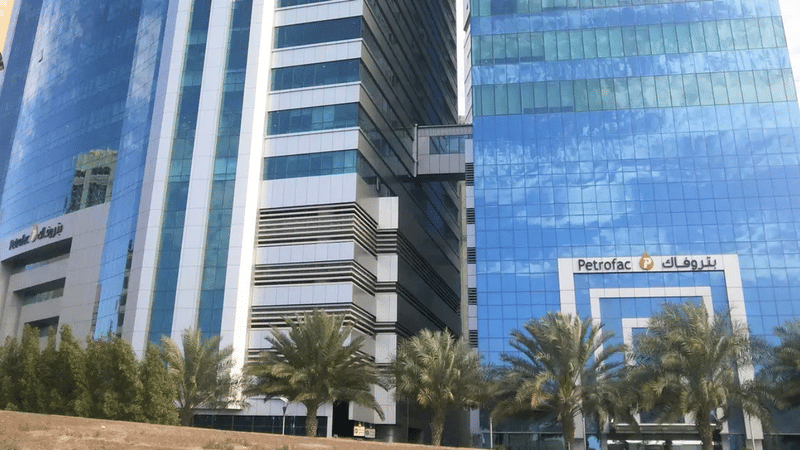
For employees nearing retirement or facing pressing financial commitments, securing a majority of their dues was viewed as preferable to risking a lengthy dispute with no guaranteed resolution.
Former employees of Petrofac in the UAE have received a significant portion of their outstanding dues, bringing relief to hundreds of workers who had spent more than six months seeking clarity over salaries, notice-period payments and end-of-service benefits following widespread layoffs late last year.
Several former employees confirmed that payments were made on June 4 and June 5, nearly six-and-a-half months after the company announced job cuts linked to the termination of a major offshore wind project in Europe. The layoffs left many employees facing financial uncertainty as they awaited settlements they believed were contractually and legally owed.
According to former staff members, most affected employees received approximately 70% of their outstanding dues as part of a full and final settlement agreement reached after months of negotiations, complaints and engagement with authorities.
“We got 70% of what they owed us, but then most of us, the critical mass, decided that 70% was good enough,” one former senior employee said. “It’s better we take the one bird in hand rather than strive for two in the bush.”
The settlement marks a major turning point in a dispute that had raised concerns among employees after Petrofac’s holding company entered court-supervised administration proceedings in the UK. Many former workers feared they could lose a substantial portion of their end-of-service benefits if the situation remained unresolved.
The layoffs stemmed from the termination of Petrofac’s role in a Dutch-German 2GW offshore wind grid programme, a project that had been a key contributor to the company’s engineering and construction business. Employees in the UAE said they were informed that their positions were being eliminated, with their final working day scheduled immediately after notification.
For many long-serving staff, the abrupt exit created significant financial strain. Former employees cited ongoing commitments including school fees, housing loans, healthcare costs and family obligations, while some had spent more than a decade with the company and viewed their end-of-service benefits as a critical component of their long-term financial planning.
One former employee said he received his end-of-service benefit in full because he had resigned before the layoffs and did not seek compensation for the remaining notice period. However, he estimated that many former colleagues effectively sacrificed between 5% and 10% of their end-of-service entitlements by accepting the settlement.
Former employees credited intervention by the UAE’s Ministry of Human Resources and Emiratisation with helping move negotiations forward. Workers reportedly raised concerns over unpaid dues and the possibility that business restructuring or ownership changes could complicate their claims.
According to former staff members, government involvement became increasingly important as Petrofac pursued the sale of its UAE business. Employees feared that unresolved claims could become more difficult to recover if ownership changed before settlements were finalised.
The concerns coincided with Petrofac’s efforts to restructure its operations. On May 26, 2026, the company announced the completion of the sale of Petrofac Emirates to a consortium of financial investors led by Mason Capital Management and Pearlstone Alternative (UK). Petrofac said the UAE business would continue operating as an independent entity with no funded debt and significant growth opportunities.
As part of the transition, industry veteran Tareq Kawash was appointed Chief Executive Officer of Petrofac Emirates, while Group Chief Financial Officer Afonso Reis e Sousa is set to step down following the completion of the divestment process.
Despite the relief brought by the settlement, some former employees said the final outcome fell short of earlier expectations. Several workers had hoped to recover a larger percentage of their dues following discussions about possible phased payments tied to the sale process.
Nevertheless, many accepted the offer to avoid prolonged legal proceedings and further uncertainty. For employees nearing retirement or facing pressing financial commitments, securing a majority of their dues was viewed as preferable to risking a lengthy dispute with no guaranteed resolution.
“Money delayed is money denied,” one former employee said, reflecting on the six-month wait for payment.
Petrofac declined to comment on the settlement when approached. In a statement, the company said it was unable to provide comment at this time.
The company has previously stated that it remains focused on maintaining operational continuity, preserving value and delivering ongoing projects across its business portfolio. It had also confirmed that early-release notices were issued to employees whose roles were directly linked to the terminated offshore wind programme.
Author
Loading...