






Strategic HR
Hyundai’s humanoids plan sparks union protests, ILO director urges workers to 'coexist' with robots






The union accused Hyundai of using automation to cut labour costs and boost profits, while criticising the automaker’s shift of production to the United States.
An International Labour Organisation (ILO) director has called on workers to focus on reskilling and coexistence with automation, as Hyundai Motor faces mounting resistance from its labour union over plans to deploy humanoid robots across its factories.
Speaking to The Korea Times on the sidelines of the Global Labour Market Conference in Saudi Arabia, Lee Sang-heon, director of the ILO’s Employment Policy Department, described the Hyundai union’s opposition as a “typical bargaining tactic” often seen during periods of technological change.
“Finding ways to coexist with robots is a more practical approach,” Lee said, urging labour groups to prioritise redeployment and skill development rather than resisting automation outright. He warned that simply preserving jobs without meaningful work could undermine employment prospects for future generations.
Lee added that even older workers would need to acquire new skills to protect specialised roles in an increasingly automated workplace, stressing the importance of creating a “virtuous cycle” as companies transition to advanced technologies.
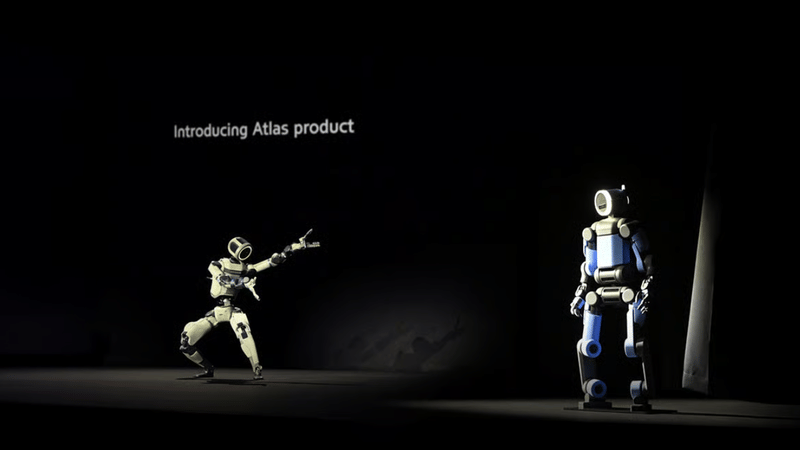
The comments come after Hyundai Motor unveiled the production version of its human-like robot, Atlas, developed by its Boston Dynamics unit, earlier this month. The company plans to begin deploying the robots at its factories from 2028, starting with its new U.S. plant in Georgia, before expanding globally.
Hyundai said Atlas is designed to navigate complex industrial environments, perform repetitive tasks, and adapt quickly using AI-driven learning, allowing it to operate in spaces traditionally suited for human workers.
However, Hyundai Motor’s union in South Korea has strongly opposed the move, warning that humanoid robots would trigger “employment shocks” and accelerate job losses.
In statements reported by The Korea Times and Reuters, the union said no robot should be introduced without a formal agreement between labour and management.
The union has also accused Hyundai of using automation to cut labour costs and boost profits, while criticising the automaker’s shift of production to the United States.
It said Hyundai’s Georgia factory, which is expected to reach an annual production capacity of 5,00,000 vehicles by 2028, was already affecting domestic output and threatening job security at Korean plants.
Despite the backlash, Lee downplayed fears that robots would make workers obsolete, noting that companies would still require skilled employees to operate, maintain, and update advanced machines.
Globally, the adoption of humanoid robots is accelerating across manufacturing and warehousing, according to the International Federation of Robotics (IFR). The organisation has previously stressed that close cooperation with employees will be critical to ensuring acceptance of robots at worksites.
Hyundai’s robot deployment plans have fuelled investor optimism, pushing the automaker’s shares to record highs, even as tensions with labour unions continue to rise over the future of work in an automated industry.
Author
Loading...