






Business
Prince Khaled slams Meta for ignoring online scams, Says “only here to profit”






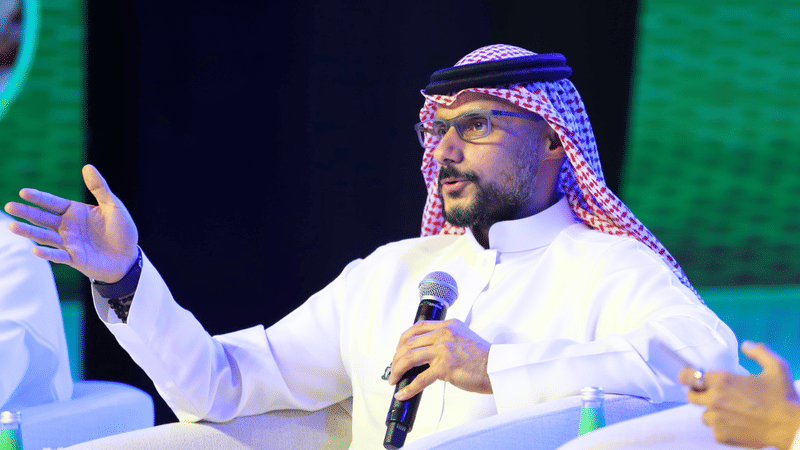
“Meta is ‘turning a blind eye’ as fake accounts using his sister, HRH Princess Reem bint Alwaleed’s identity, openly defraud Gulf residents on Facebook and Instagram,” Prince Khaled told Arabian Business.
HRH Prince Khaled bin Alwaleed bin Talal Al Saud, founder and CEO of KBW Ventures, has strongly criticised Meta for “turning a blind eye” to online scams targeting Gulf residents, accusing the tech giant of prioritising profit over protecting users from fraud.
The concern shared in an exclusive interview with Arabian Business, where Prince Khaled shared that dozens of fake accounts impersonating his sister, HRH Princess Reem bint Alwaleed, have been actively defrauding GCC citizens on Facebook and Instagram, soliciting small “investments” as low as AED 100.
Despite repeated reports, he said Meta has failed to act.
“When there is a real problem, like fraudulent bad actors taking unsuspecting people for money, out and out conning them openly, social media companies claim not to be able to manage the problem,” the Prince emphasised.
“I am really well versed with technology, and these companies have astounding capabilities. To state otherwise is really just taking us for a ride.”
According to the Prince, Meta’s regional focus remains squarely on sales, with minimal investment in user trust and safety.
“The social media companies only install salespeople here in the region. They don’t bother setting up trust and security arms because they are only concerned with profiting off of our digital interests,” he said.
He also praised other platforms like Snap and X for responding promptly and removing fraudulent pages, but noted that Meta “went completely silent” despite his team submitting a detailed dossier of fake accounts.
He raised the gravity of the concern, adding, “And this is someone like me who has a full communications and digital team. What does a person do if they don’t have a team to deal with this? They can do nothing. They are victimised and they have no hope of getting help. Where is the commitment to the region? Where is the commitment to the people?”
He also pointed out that initially social media app TikTok’s response was also ineffective to these fraud reports, as, “they sent us an information page and did nothing else”. Though later they took corrective measures after “a lot of back and forth,” he said.
Prince Khaled has now called on regulators in Saudi Arabia and the UAE to hold social media platforms accountable for their handling of online fraud.
“They make extraordinary sums here, but when it comes to protecting our citizens, they hide behind excuses. It’s time for accountability.”
Supporting his statement, Ashraf Zeitoon, former Head of Policy for MENA at Meta, told Arabian Business that companies like Meta “have all the resources, human, financial and technical, to address the challenge” but lack the will.
“They could easily deploy tools such as IP address blocking to prevent scammers from creating new accounts. But their trust and safety teams in the GCC are underdeveloped, and financial fraud simply doesn’t sit on their priority list,” Zeitoon said.
You may also like:
- KSA HR Ministry reiterates Saudization targets for healthcare jobs
- MoHRE unveils AI-powered ‘Eye’ system to transform UAE’s work permit procedures
- Qatar amends Civil HR Law; Job-based allowances raised, Paid maternity & Postnatal leave extended to 3 months, Increments up to 150%
- Women make up 32% of Renewable Energy jobs, Only 19% in leadership roles: Report
- GO Telecom announces 4.5-Day workweek to boost employee well-being & work-life balance
Meta, who reported $62.36 billion in profits in 2024, has not commented on the same yet.
Cyberfraud is an escalating global threat, with deepfakes of global celebrities and top leaders increasingly used to deceive and defraud people. Older generations remain particularly vulnerable, as social media tech giants continue to lag in implementing urgent safeguards and corrective measures.
Topics
Author
Loading...