






Strategic HR
Ajman Executive Council approves new HR laws; Introduces flexible working hours for certain employees







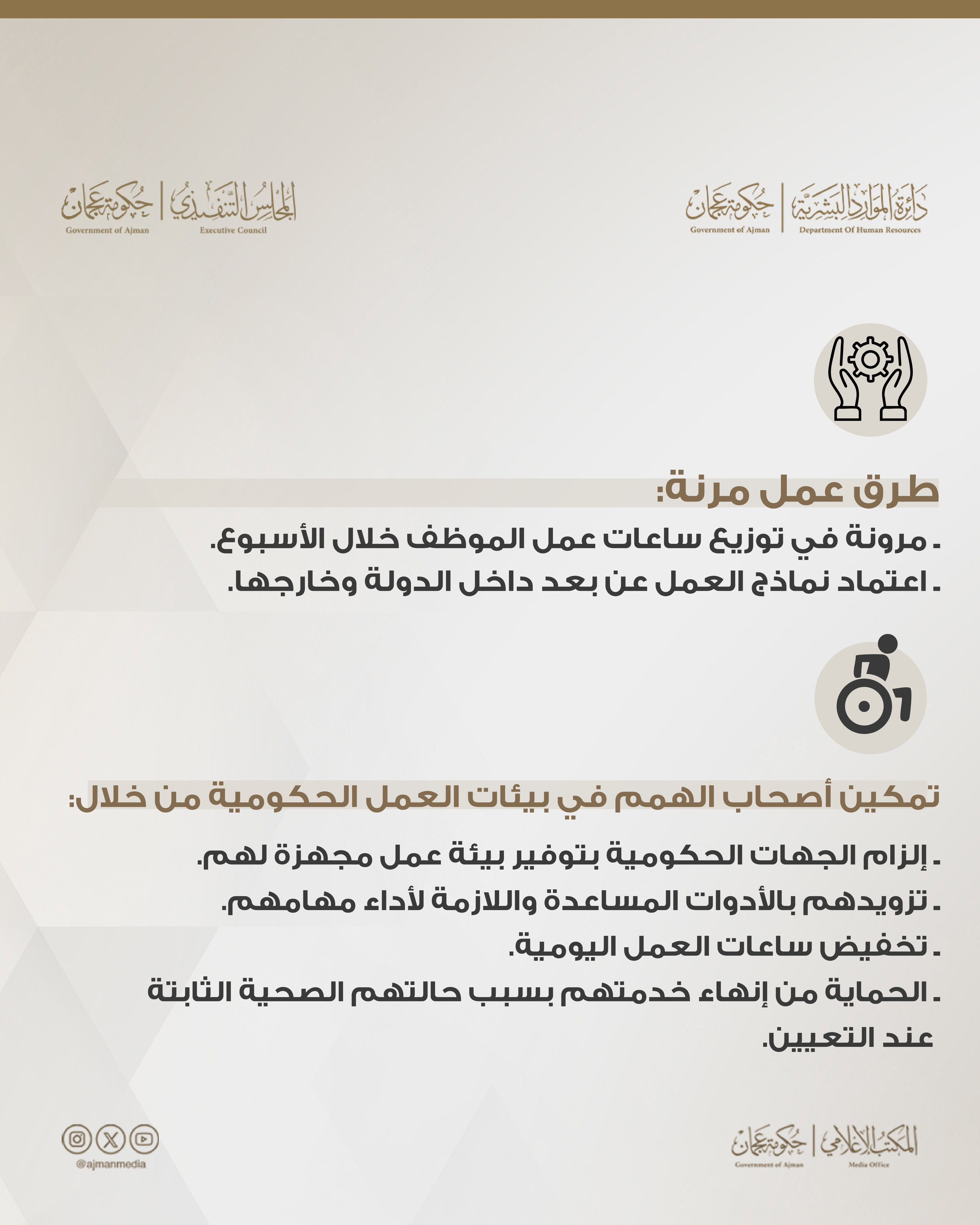
Employees will have the option to distribute their working hours across the week, while remote work arrangements, both within and outside the UAE, aim to boost productivity and job satisfaction.
The Ajman Executive Council has approved the general principles of the new Human Resources Law development project for the Government of Ajman.
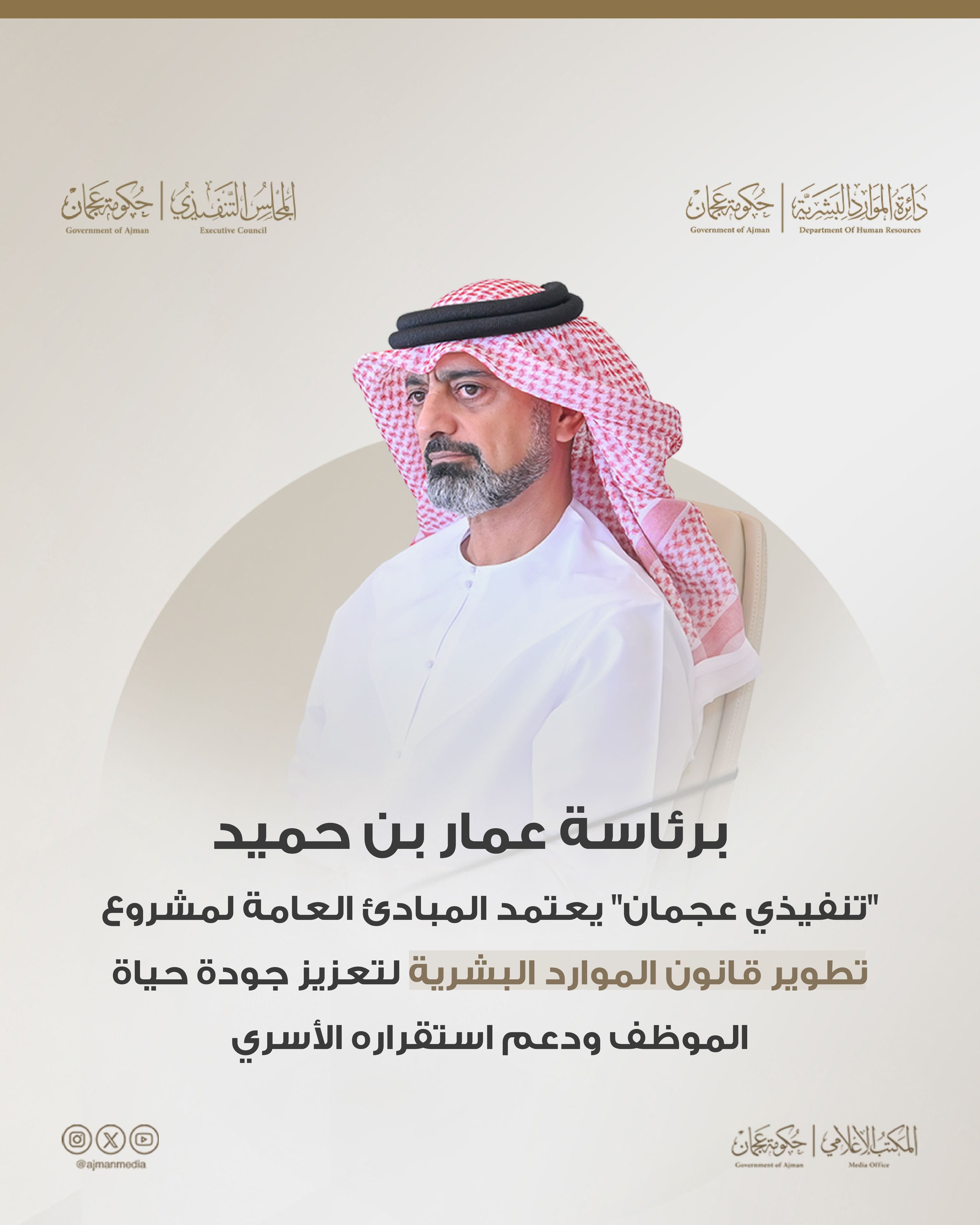
The council, chaired by H.H. Sheikh Ammar bin Humaid Al Nuaimi, Crown Prince of Ajman and Chairman of the Council, aims to align the HR laws with the objectives of Ajman Vision 2030.
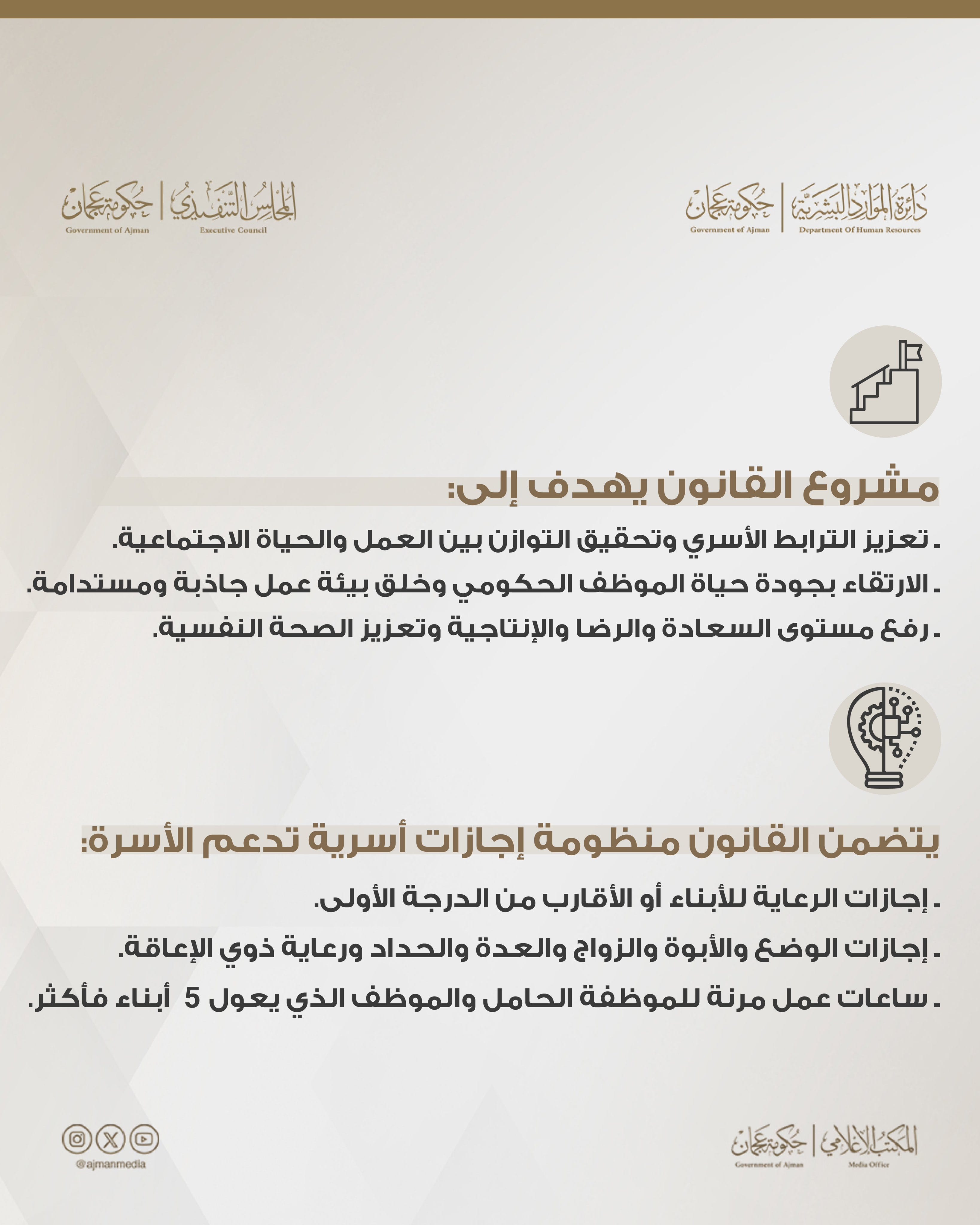
The initiative aims to modernize employment policies, improve the quality of life for government employees and their families, and create a more balanced, flexible, and inclusive work environment.
The decision was made during the Executive Council's session held as part of the 2025 UAE Government Annual Meetings in Abu Dhabi.
Some of the key highlights of the proposed HR framework include a comprehensive family leave system covering maternity, paternity, marriage, bereavement, and caregiving leave, including care for first-degree relatives and people of determination.
It also introduces flexible working hours for pregnant employees and parents with five or more children, reinforcing work-life balance and family cohesion.
"The law adopts flexible work models tailored to the needs of government entities and job requirements, granting employees the option of flexible weekly working hours distributed across the week instead of fixed daily schedules. It also approves models for remote work both within and outside the UAE, aimed at increasing productivity, improving job satisfaction, and building a sustainable work culture," the Council underlined.
Employees will have the option to distribute their working hours across the week, while remote work arrangements, both within and outside the UAE ,aim to boost productivity and job satisfaction.
To promote inclusivity, the legislation mandates enhanced support for people of determination, including accessible facilities, assistive tools, and adaptive equipment.
It also protects employees from termination due to pre-existing disabilities and provides reduced working hours when required.
You may also like:
- Saudi Arabia to support working women in the private sector with up to 50% childcare coverage
- A Global Leader’s Playbook: Kazunori Fukuda on building a ‘Third Culture’ to power digital transformation
- 45,000 new jobs for women in Arab by 2026; ‘care economy’ and men sharing unpaid domestic work become a must: Dr. Moez Doraid
Overall, the new HR law underscores the Emirate’s commitment to institutional wellbeing, employee happiness, and sustainable work culture, supporting a modern, people-centric public sector aligned with Ajman’s long-term vision.
Author
Loading...